
Falls can happen quickly, but their effects can last for a long time. For older adults, people with mobility difficulties, and those recovering from illness, surgery, or injury, a fall at home can lead to pain, reduced confidence, hospital visits, and a loss of independence. Even when a fall does not cause a serious injury, it can make someone feel nervous about moving around their own home.
The good news is that many falls can be prevented. Simple changes such as improving lighting, removing trip hazards, securing rugs, using grab rails, and keeping everyday items within easy reach can make a home much safer. Preventing falls at home is not about limiting freedom. It is about helping people feel more confident, comfortable, and independent in the place they know best.
For families in Haringey, fall prevention is an important part of supporting older relatives and loved ones who want to continue living safely at home. With the right home safety checklist, regular reviews, and support from family caregivers or professional home care services, many risks can be reduced before an accident happens.
Why Fall Prevention Matters
Falls are one of the most common causes of injury among older adults. As people age, changes in balance, strength, eyesight, hearing, medication, and general health can increase the risk of falling. Some people may also be more vulnerable after a hospital stay, stroke, surgery, infection, or a period of reduced activity.
A fall can affect someone physically and emotionally. Physical effects may include bruising, sprains, fractures, head injuries, or a decline in mobility. Emotional effects can include fear, anxiety, embarrassment, and a loss of confidence. Some people become less active after a fall because they are afraid it will happen again. Unfortunately, moving less can lead to weaker muscles and poorer balance, which may increase the risk of future falls.
This is why fall prevention for elderly people is so important. A safer home can help older adults stay active, continue daily routines, and maintain independence for longer.
Understanding Fall Risks at Home
Most homes contain small hazards that are easy to miss during daily life. A loose rug, poor lighting, a wet bathroom floor, or a cable across a walkway may not seem serious, but for someone with reduced balance or slower reactions, these hazards can be dangerous.
Common causes of falls at home include:
- Slippery floors, especially in bathrooms and kitchens
- Poor lighting in hallways, bedrooms, stairs, and entrances
- Cluttered walkways
- Loose rugs, mats, or carpets
- Trailing electrical cords
- Uneven flooring or damaged steps
- Medication side effects such as dizziness or drowsiness
- Poor eyesight or hearing
- Weak muscles, reduced balance, or mobility problems
- Rushing to answer the door, phone, or get to the bathroom
Older adults and people with health conditions may be more vulnerable because their ability to recover balance can be reduced. Some may also use walking aids, have joint pain, feel dizzy when standing, or find it difficult to see obstacles clearly.
Reducing fall risks at home starts with awareness. A regular walk-through of each room can help families identify hazards and make practical improvements.
Room-by-Room Home Safety Checklist
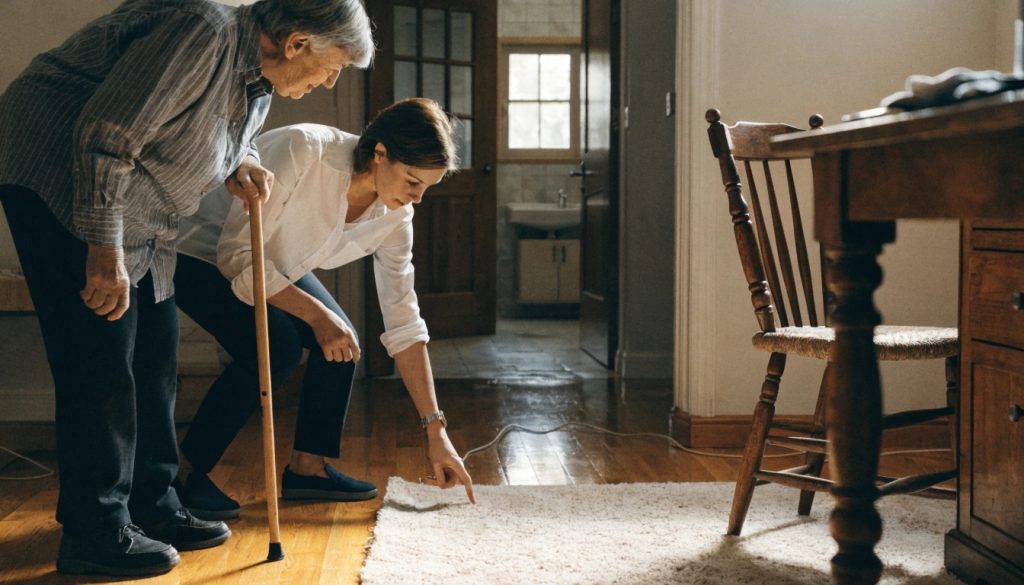
Every room has different risks. The following room-by-room home safety checklist can help families, caregivers, and older adults create a safer living environment.
Entrance and Hallways
Entrances and hallways are used many times a day, so they need to be clear, well lit, and easy to move through. These areas can become risky when shoes, bags, umbrellas, post, or small furniture block the path.
Make sure outdoor and indoor lighting is bright enough, especially near the front door. Motion-sensor lights can be helpful for people who come home after dark or need to move around at night. Door mats should be secure and flat, not curled at the edges.
Where appropriate, handrails can provide extra support near steps, slopes, or narrow spaces. Frequently used items such as keys, coats, walking aids, and shopping bags should be easy to reach without bending or stretching.
Entrance and hallway checklist:
- Walkways are clear
- Lighting works properly
- Handrails are secure
- No loose flooring, rugs, or mats
- Shoes, bags, and post are not left in walkways
- Walking aids are stored within easy reach
Living Room
The living room should be comfortable, but it also needs enough space for safe movement. Too much furniture can make it difficult for someone to walk safely, especially if they use a stick, frame, or wheelchair.
Remove unnecessary clutter and make sure walking paths are wide and clear. Electrical cords should be secured against walls rather than stretched across the room. Rugs should be removed or secured with non-slip backing.
Furniture should be stable and easy to sit on or stand from. Very low chairs or soft sofas can be difficult for older adults to use safely. A supportive chair with arms can make standing easier and reduce strain.
Lighting is also important. Reading lamps, side lamps, and overhead lights should be easy to switch on. Remote controls, phones, glasses, and drinks should be placed within reach to avoid unnecessary stretching.
Living room checklist:
- Cords are secured
- Walking paths are clear
- Furniture is stable
- Seating is supportive and easy to use
- Lighting is adequate
- Rugs are removed or secured
- Everyday items are within reach
Kitchen
The kitchen is one of the most common areas for slips and trips because of wet floors, hot surfaces, sharp objects, and frequent movement. Good organisation can make the kitchen much safer.
Store commonly used items at waist height, where they can be reached without standing on chairs or bending too low. Heavy items should not be stored on high shelves. Cupboards should be organised so the person can prepare drinks or meals without unnecessary stretching.
Spills should be cleaned immediately. Non-slip flooring or mats may help, but mats must be flat and secure. Good task lighting is important near worktops, sinks, and cookers.
Avoid climbing on chairs or unstable stools. If a step stool is needed, it should have a handrail and non-slip feet, but many older adults may be safer asking for help with high items.
Kitchen checklist:
- Floors are dry and clean
- Frequently used items are accessible
- Heavy items are stored safely
- Step stools are used safely or avoided
- Good task lighting is available
- Cupboards are organised
- No loose mats or trip hazards
Bathroom
Bathrooms are high-risk areas because water, smooth surfaces, and limited space can increase the chance of slipping. Small changes can make a big difference to safety.
Grab rails near the toilet, bath, and shower can provide extra support. Non-slip bath and shower mats should be used where appropriate. A shower chair may help people who become tired, weak, or unsteady while washing.
Toiletries, towels, and personal care items should be within easy reach. This reduces the need to bend, twist, or stretch. Good lighting is especially important for night-time bathroom use. A nightlight in the hallway or bathroom can help someone move safely after dark.
Families should also consider whether the person is rushing to the bathroom, especially at night. If this is happening often, it may be worth discussing continence support, medication timing, or mobility concerns with a healthcare professional.
Bathroom checklist:
- Grab rails are installed where needed
- Non-slip mats are in place
- Toiletries are accessible
- Night lighting is available
- Floors are kept dry
- Towels are within reach
- Shower chair or raised toilet seat is considered if needed
Bedroom
Falls in the bedroom often happen at night or early in the morning, when someone is sleepy, disoriented, or moving in low light. The path from the bed to the door, bathroom, or wardrobe should be clear.
A lamp should be easy to reach from the bed. Nightlights or motion-sensor lights can help with safe movement after dark. Glasses, medication, water, phone, and walking aids should be kept in a safe and consistent place.
Loose bedding should not trail onto the floor, as this can become a trip hazard. Rugs near the bed should be removed or secured. Clothing and shoes should be stored away rather than left on the floor.
The bed should be at a safe height. If it is too low or too high, getting in and out can become difficult. An occupational therapist or care professional may be able to advise on suitable equipment.
Bedroom checklist:
- Floor space is clear
- Lighting is accessible from bed
- Nightlight is installed
- Bedding does not trail onto the floor
- Walking aid is within reach
- Phone or alarm is nearby
- Rugs are removed or secured
Stairs
Stairs are one of the most important areas to check for fall risks. Even a small slip on the stairs can cause serious injury.
Handrails should be sturdy and easy to grip. If possible, rails on both sides offer better support. Stairs should be free from objects such as laundry, shoes, books, or bags. Damaged steps, loose carpet, or uneven flooring should be repaired quickly.
Lighting should be bright at both the top and bottom of the stairs. Light switches should be easy to access. High-visibility edge markings may help people with reduced vision judge each step more clearly.
Older adults should be encouraged to take their time on the stairs and avoid carrying too many items at once. If stairs are becoming difficult, families may need to consider extra support, home adaptations, or professional advice.
Stairs checklist:
- Handrails are secure
- No items are left on stairs
- Lighting is bright and working
- Flooring is in good condition
- Step edges are easy to see
- The person does not rush or carry too much
Garden and Outdoor Areas
Outdoor areas can become risky because of uneven surfaces, wet leaves, moss, poor lighting, garden tools, and changing weather.
Repair uneven paving stones and remove moss, leaves, or slippery debris. Garden hoses, tools, pots, and bins should be stored safely away from walkways. Outdoor lighting should be checked regularly, especially near entrances, steps, and side paths.
If the person enjoys gardening, raised planters, stable seating, and long-handled tools may help them continue safely. Safe living for older adults should include access to fresh air and enjoyable activities, not just restrictions.
Garden and outdoor checklist:
- Pathways are even
- Outdoor lighting is working
- No trip hazards are present
- Garden tools are stored safely
- Moss and wet leaves are cleared
- Steps and entrances are safe
- Handrails are considered where needed
Additional Fall Prevention Tips
Home safety for seniors is not only about furniture and flooring. Health, daily habits, and support routines also play an important role.
Arrange regular eye and hearing checks
Poor vision can make it harder to see steps, rugs, changes in flooring, or objects in the way. Hearing problems can also affect awareness of surroundings. Regular checks can help identify issues early.
Wear suitable footwear
Shoes and slippers should fit well, support the foot, and have non-slip soles. Loose slippers, backless shoes, high heels, or walking in socks on smooth floors can increase the risk of falling.
Stay physically active
Strength and balance can reduce fall risk. Gentle activity, walking, chair exercises, physiotherapy exercises, or balance classes may help, depending on the person’s ability. Any new exercise routine should be suitable for the person’s health and discussed with a professional when needed.
Review medications
Some medications can cause dizziness, drowsiness, confusion, or low blood pressure. Families should encourage regular medication reviews with a GP or pharmacist, especially after a fall, hospital stay, or change in medication.
Use walking aids correctly
Walking sticks, frames, and other mobility aids should be the correct height and used as advised. An unsuitable or damaged walking aid can create more risk rather than less. If mobility changes, a reassessment may be needed.
Consider alarms and emergency plans
For people living alone, a care alarm or pendant alarm can provide reassurance. Families should also agree on a simple plan for what to do if a fall happens. This may include keeping a phone nearby, checking in regularly, and making sure emergency contacts are easy to access.
How Family Members Can Help
Family members can play a key role in preventing falls at home. The most helpful approach is supportive rather than controlling. Older adults may feel sensitive about changes to their home, especially if they worry that safety measures will reduce their independence.
Start with a respectful conversation. Explain that the goal is to make the home safer and easier to live in, not to take away choice. Walk through the home together and ask what feels difficult, tiring, or unsafe.
Families can help by:
- Conducting regular home safety assessments
- Removing clutter and checking lighting
- Encouraging safe habits without creating fear
- Watching for changes in balance, walking, confidence, or memory
- Supporting appointments with GPs, pharmacists, opticians, or therapists
- Helping arrange equipment or adaptations
- Discussing concerns openly and respectfully
It is also important to review safety regularly. A home that was safe six months ago may need changes if the person’s mobility, eyesight, medication, or health has changed.
When Professional Home Care Can Help
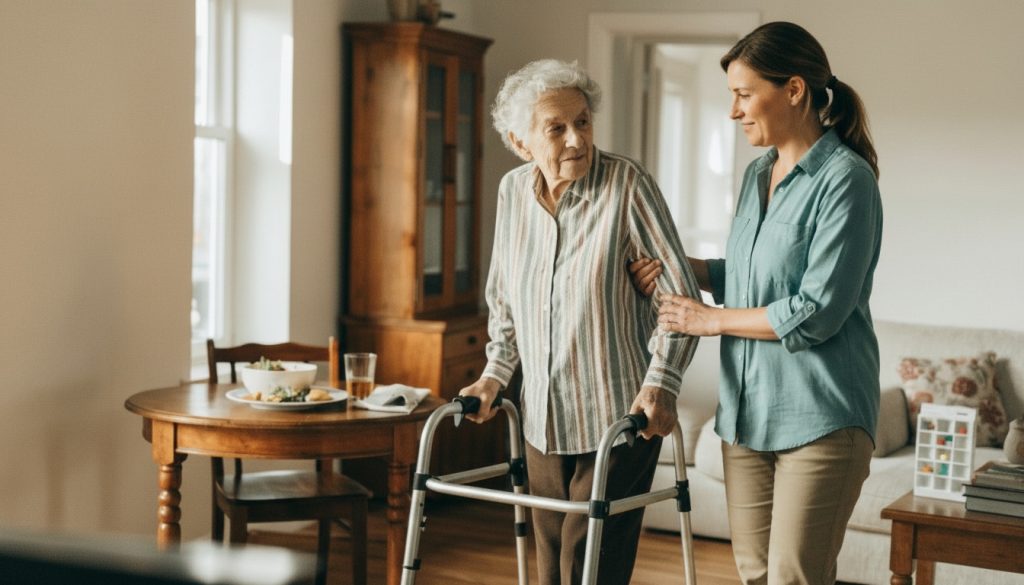
Professional home care services can provide practical support for people who are at risk of falling or who need help after illness, surgery, injury, or hospital discharge.
A trained care worker can support safe routines throughout the day. This may include help with getting out of bed, washing, dressing, meal preparation, mobility, medication reminders, and moving safely around the home. Professional carers can also notice changes in wellbeing and raise concerns early.
Home care can be especially helpful when family members cannot be present every day, when the person lives alone, or when mobility has changed. It can also reduce pressure on family caregivers and provide reassurance that someone is checking on the person regularly.
Professional support may include:
- Assistance with mobility and transfers
- Help with personal care and daily activities
- Monitoring wellbeing and safety
- Encouragement to stay active
- Companionship and reduced isolation
- Support after hospital discharge
- Help maintaining routines at home
Elderly care should support independence wherever possible. The right care plan can help a person continue living in their own home while reducing avoidable risks.
Building Confidence, Not Fear
Fall prevention should never make someone feel helpless. The aim is to help older adults feel safer, stronger, and more confident. A safe home allows people to move around with less worry, continue daily routines, and stay connected to the life they enjoy.
Families should avoid creating fear by constantly warning someone not to move or not to try things. Instead, focus on safe movement, suitable support, and practical improvements. Confidence is a major part of independence.
For example, instead of saying, “Don’t walk there, you might fall,” it may be more helpful to say, “Let’s make sure the path is clear and the light is on before you walk through.”
Small changes in language can help protect dignity and encourage independence.