
Caring for an elderly parent, partner or relative can be one of the most meaningful things a person does. It can also become physically and emotionally exhausting when the responsibility grows over time.
Many family carers in Haringey support loved ones while also managing work, children, household responsibilities, health issues and daily life. At first, the care may feel manageable. You might help with shopping, meals, medication reminders or appointments. But gradually, the needs can increase until you feel as though every part of your day is built around caring.
Family carer burnout happens when the pressure of caring becomes too much for one person to carry without proper rest, support or practical help. It does not mean you do not love your relative. It does not mean you have failed. It usually means the current care arrangement is no longer sustainable.
Professional home care can help families in Haringey protect both the person receiving care and the family member providing it.
What Is Family Carer Burnout?
Family carer burnout is a state of ongoing physical, mental and emotional exhaustion caused by long-term caring responsibilities.
It can build slowly. You may not notice it at first because you are focused on your loved one’s needs. You may tell yourself that you just need to keep going, that other people have it harder, or that asking for help means you are letting your loved one down.
In reality, burnout is a serious warning sign. When a family carer becomes exhausted, overwhelmed or isolated, it can affect their own health, their relationship with the person they care for, and the quality of care they are able to provide.
Recognising burnout early can help prevent a crisis.
Why Family Carer Burnout Happens
Burnout often develops when care needs increase but support does not increase with them.
Your loved one may now need help with washing, dressing, meals, mobility, toileting, medication, safety at home or night-time reassurance. You may also be managing appointments, paperwork, shopping, cleaning, emotional support and family communication.
Over time, this can become too much for one person, especially if the care is needed every day or throughout the night.
Common causes of family carer burnout include:
- Lack of regular rest
- Poor sleep
- No time for personal needs
- Worry about falls, confusion or safety
- Feeling responsible for everything
- Balancing care with work or children
- Financial pressure
- Lack of family support
- Emotional guilt
- Not knowing what support is available
In areas such as Wood Green, Hornsey, Crouch End, Muswell Hill and Seven Sisters, many families want to keep loved ones safe at home. But home care works best when the family carer is supported too.
Signs You May Be Experiencing Carer Burnout
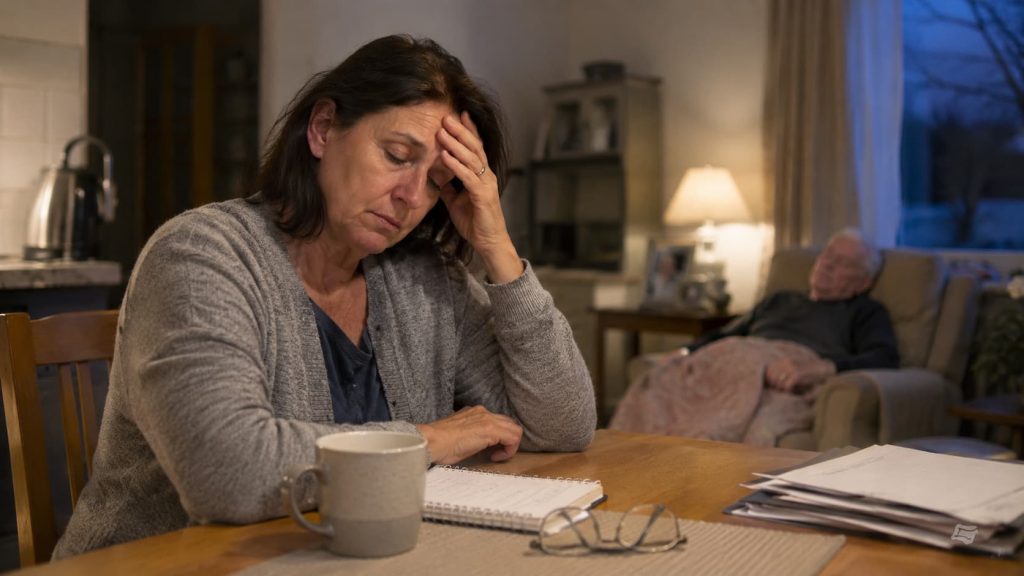
Burnout can look different from person to person. Some carers feel constantly tired. Others become anxious, irritable, numb or tearful.
Here are some signs that it may be time to ask for professional support.
1. You Feel Exhausted Most of the Time
Tiredness is normal when you are caring for someone. But if you feel exhausted every day, even after sleeping or resting, this may be a sign that your body and mind are under too much pressure.
You may wake up already feeling drained. You may struggle to concentrate, forget simple tasks or feel that you are always running on empty.
If your loved one needs support during the night, the exhaustion can become even harder. Broken sleep can quickly affect your mood, health and ability to cope.
Professional care can help by taking over regular tasks, providing respite, or supporting your loved one overnight so you can rest properly.
2. You Are Becoming Irritable or Losing Patience
Many family carers feel guilty when they become impatient with someone they love. But irritability is often a sign of stress, not a lack of care.
You may find yourself reacting more sharply than usual, feeling frustrated by repeated questions, or becoming upset over small things. You may then feel guilty afterwards, which adds more emotional pressure.
This cycle can damage both your wellbeing and your relationship with your loved one.
Asking for help early can reduce pressure and allow you to spend more quality time together, instead of feeling responsible for every task.
3. Your Own Health Is Being Neglected
Family carers often put their own needs last. You may delay your own GP appointments, skip meals, stop exercising, ignore pain, or continue caring even when you are unwell.
This is not sustainable.
If you are becoming run down, experiencing headaches, back pain, poor sleep, anxiety or low mood, it may be time to review the care arrangement.
Professional carers can support daily routines such as personal care, meal preparation, medication reminders, mobility support and companionship. This gives family carers space to look after their own health too.
4. You Feel Anxious When You Are Away From Your Loved One
Many carers feel unable to relax, even when they are not physically with the person they care for.
You may worry that your loved one will fall, forget medication, leave the cooker on, miss a meal, become confused, or struggle to reach the phone in an emergency.
This constant alertness can become mentally exhausting.
Home care can provide reassurance by ensuring someone checks in regularly, supports safety at home and keeps family members updated when needed.
5. You Are Not Sleeping Properly
Sleep problems are one of the clearest signs that care pressure has become too much.
You may wake during the night to check on your loved one. You may listen for movement, answer phone calls, or feel unable to sleep deeply because you are worried something may happen.
If your loved one wakes frequently, needs help going to the bathroom, becomes anxious at night or is at risk of falls, overnight care may be a better solution than trying to manage alone.
Overnight support can help your loved one feel safer while giving family carers the chance to sleep.
6. You Feel Isolated From Friends and Family
Caring can become lonely, especially when your routine is built around someone else’s needs.
You may stop seeing friends, cancel plans, avoid social events or feel that other people do not understand what your life is like. Over time, this isolation can affect your mood and confidence.
Professional support can help you regain small parts of your own life. Even a few hours of respite care each week can allow you to attend appointments, meet a friend, go shopping, rest, or simply have time without responsibility.
7. You Feel Guilty About Wanting a Break
Many carers feel guilty for needing time away. They may think, “I should be able to cope,” or “My loved one only trusts me.”
But needing a break is not selfish. It is a normal and healthy part of long-term care.
A family carer who never rests may eventually reach crisis point. Regular support can help you continue caring in a more balanced and sustainable way.
Respite care is designed for this exact reason. It allows your loved one to receive safe, professional support while you take time to recover.
8. The Care Needs Have Become More Complex
Sometimes burnout happens because the level of care has changed.
Your loved one may now need help with more personal or sensitive tasks, such as bathing, dressing, toileting, moving safely, continence care or medication support. They may also need supervision because of memory difficulties, frailty or reduced mobility.
These tasks can be difficult for family members to manage alone, especially if they require training, confidence or physical strength.
Professional carers can provide respectful, discreet support while helping your loved one maintain dignity and independence at home.
9. You Are Managing Care Alongside Work
Many family carers in Haringey are also working. This can create intense pressure.
You may be answering calls during work, arranging appointments, leaving early, taking unpaid time off, or feeling distracted because you are worried about your loved one.
If caring is affecting your work, income, focus or emotional wellbeing, it may be time to consider professional support.
Visiting care can be arranged around the times when your loved one needs help most, such as mornings, mealtimes, evenings or bedtime.
10. You Feel Like You Are Reaching Breaking Point
One of the most important signs of burnout is the feeling that you cannot continue as things are.
You may feel overwhelmed, tearful, angry, numb or trapped. You may dread the next phone call or feel frightened about what will happen if your loved one’s needs increase again.
This is the point where support is not optional. It is necessary.
You do not have to wait for an emergency, a fall, a hospital admission or complete exhaustion before asking for help.
How Professional Home Care Can Help
Professional home care does not replace the love and knowledge of a family member. Instead, it works alongside the family to make care safer, calmer and more sustainable.
A trained carer can help with:
- Personal care
- Washing and dressing
- Meal preparation
- Medication reminders
- Mobility support
- Companionship
- Light household tasks
- Toileting support
- Safety checks
- Overnight support
- Respite care for family carers
- Support after hospital discharge
This can reduce the pressure on family members and allow them to focus more on emotional connection rather than constant practical responsibility.
Respite Care for Family Carers in Haringey
Respite care gives family carers time to rest while their loved one continues to receive support.
This may be arranged for a few hours, a full day, overnight, several days or on a regular weekly basis. Some families use respite care during particularly demanding periods. Others build it into their routine so the family carer has reliable time to recover.
Respite care may help if you need time to:
- Rest and sleep properly
- Attend your own appointments
- Spend time with children or family
- Continue working
- Go shopping
- Take a short break
- Recover from illness
- Reduce stress and emotional overload
For many families, respite care is the first step toward a more balanced care plan.
When Visiting Care May Be Enough

Not every family needs full-time support. Sometimes a few regular visits each week can make a significant difference.
Visiting care may be suitable if your loved one needs help with:
- Morning routines
- Washing and dressing
- Breakfast or lunch
- Medication reminders
- Light domestic tasks
- Companionship
- Safe movement around the home
- Evening routines
This can reduce the daily pressure on family carers while helping the person receiving care stay independent at home.
When Overnight Care May Be Needed
If your loved one is waking frequently, calling during the night, needing help with toileting, feeling anxious after dark or at risk of falling, overnight care may be appropriate.
Night-time caring can be especially exhausting for families because it removes the opportunity to recover. Without proper sleep, even simple daily tasks can feel overwhelming.
Overnight care can provide reassurance during the most vulnerable hours and help family carers rest.
When Live-In Care May Be the Better Option
If your loved one needs support throughout the day and night, live-in care may be more suitable than short visits.
Live-in care provides more continuous support at home. It can be helpful when a person has increasing care needs but wants to remain in familiar surroundings.
This option may be considered when families are worried about safety, loneliness, mobility, meals, medication, night-time needs or general daily routines.
Asking for Help Is a Strength, Not a Failure
Many family carers wait too long before asking for support. They may feel they should cope alone or worry that professional care means they are stepping back from their loved one.
In reality, asking for help can be one of the most responsible decisions you make.
It protects your health. It protects your relationship with your loved one. It helps prevent rushed decisions during a crisis. Most importantly, it helps create a care plan that can continue safely over time.
You can still be involved. You can still be the person who knows your loved one best. Professional care simply gives you support so you are not carrying everything alone.
If you are caring for a loved one in Haringey and feel exhausted, overwhelmed or unsure how long you can continue, it may be time to talk.
My Homecare Haringey provides professional home care, respite care, personal care, companionship, overnight support and live-in care for people who want to remain safe and comfortable at home.
You do not have to wait until burnout becomes a crisis. Support can start with a simple conversation.