


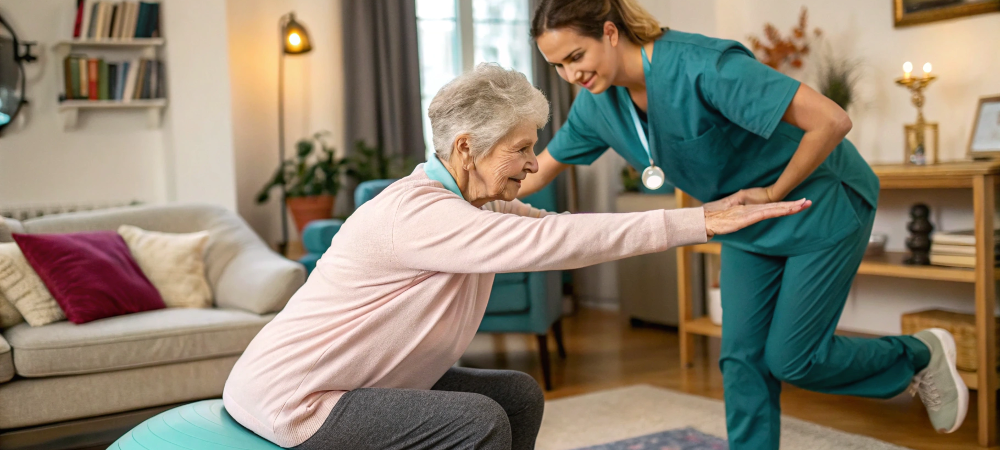
Imagine watching a loved one struggle with the simplest tasks that once came naturally—buttoning a shirt, remembering a familiar face, or finding the right words to express their thoughts. This is the reality for families across the UK, where a stroke occurs every five minutes, affecting approximately 100,000 people annually. With 1.4 million stroke survivors currently living in the UK, the need for effective home care and rehabilitation services has never been more critical. The journey from hospital to home can feel overwhelming. You’ve navigated the initial medical crisis, but now you’re faced with a new challenge: how do you support recovery in the familiar surroundings of home? The transition from institutional care to home-based support represents both an opportunity and a responsibility—one that requires careful planning, the right resources, and a deep understanding of what stroke recovery truly involves.
Home care for stroke survivors isn’t just about medical assistance; it’s about rebuilding lives, restoring confidence, and creating an environment where recovery can flourish. Whether you’re a family member stepping into a caregiving role or a stroke survivor yourself, understanding the landscape of available services and support systems can make the difference between merely surviving and truly thriving.
Understanding the Challenges Stroke Survivors Face During Recovery
Recovery from stroke presents unique challenges that extend far beyond the initial medical emergency. Each stroke survivor’s journey is different, but certain obstacles appear consistently across the recovery spectrum. Understanding these challenges is the first step in creating an effective support system.
Physical Limitations and Mobility Issues
The most visible challenges often involve physical function. Weakness on one side of the body, difficulty with balance, and problems with coordination can transform everyday activities into significant hurdles. Simple tasks like getting dressed, preparing meals, or moving safely around the home require new strategies and often additional support. Many stroke survivors experience fatigue that goes beyond normal tiredness. This neurological fatigue can make concentration difficult and limit the amount of activity possible in a single day. Understanding what to do after a stroke at home includes recognizing these energy limitations and planning activities accordingly.
Communication and Cognitive Challenges
Stroke can affect language in various ways, from difficulty finding words to problems understanding speech. These communication challenges can be particularly frustrating for survivors who remain cognitively sharp but struggle to express themselves clearly. Family members often feel helpless when they can’t understand their loved one’s needs or when conversations become strained. Cognitive changes might include problems with memory, attention, or problem-solving skills. These changes can affect a person’s ability to manage medications, follow safety protocols, or participate fully in their rehabilitation program.
Emotional and Psychological Impact
The emotional toll of stroke recovery is often underestimated. Depression affects approximately one-third of stroke survivors, while anxiety about future strokes or loss of independence can significantly impact quality of life. Many survivors experience grief for their former selves and the life they had before stroke. Family members also face emotional challenges. The stress of caregiving, combined with worry about their loved one’s future, can lead to caregiver burnout. This emotional strain affects the entire family system and requires attention and support.
Social Isolation and Role Changes
Stroke often forces changes in social roles and relationships. A person who was previously independent may now require assistance, while family members take on new caregiving responsibilities. These role changes can strain relationships and lead to feelings of loss and frustration on all sides. Social isolation becomes a real concern when physical limitations or communication difficulties make it harder to maintain friendships and community connections. The fear of embarrassment or the practical challenges of getting out and about can lead survivors to withdraw from social activities they once enjoyed.
The Importance of Personalized Care Plans
Every stroke is unique, affecting different areas of the brain and resulting in varied symptoms and recovery patterns. This individuality makes personalized care planning absolutely essential for effective home-based rehabilitation. A one-size-fits-all approach simply doesn’t work when it comes to stroke recovery.
Assessment and Goal Setting
The foundation of any effective care plan begins with thorough assessment. This process should evaluate not just medical needs, but also personal preferences, family dynamics, home environment, and individual goals. What matters most to the stroke survivor? Is it regaining independence in personal care, returning to work, or simply being able to enjoy family gatherings again? Professional assessment typically involves multiple disciplines. Physiotherapists evaluate mobility and strength, occupational therapists assess daily living skills, and speech therapists examine communication abilities. This multidisciplinary approach, similar to what’s used in NHS stroke units, ensures that all aspects of recovery are addressed.
Adapting to Individual Needs and Preferences
Personalized care plans must reflect individual circumstances. A retired person’s goals will differ significantly from those of someone hoping to return to work. Family structure, financial resources, and personal values all influence what an effective care plan looks like. The plan should also account for the stroke survivor’s learning style and motivation. Some people respond well to structured exercise programs, while others prefer more flexible, activity-based approaches. Some thrive with frequent social interaction, while others need quiet time to process and recover.
Flexibility and Regular Review
Recovery from stroke isn’t linear. Good days and challenging days are both part of the journey, and care plans must be flexible enough to accommodate these fluctuations. Regular review and adjustment ensure that the plan remains relevant and effective as recovery progresses. This flexibility extends to service delivery as well. The level of support needed in the first weeks at home will likely be different from what’s required months later. Best practices for stroke home care include building in regular review points where the care plan can be adjusted based on progress and changing needs.
Integration with Medical Care
While home care focuses on daily living and rehabilitation, it must integrate seamlessly with ongoing medical care. This includes medication management, monitoring for complications, and coordination with healthcare providers. The care plan should clearly outline when medical consultation is needed and how to access emergency services if required.
Types of Home Rehabilitation Services Available
Stroke rehabilitation at home encompasses a wide range of services designed to support recovery in the familiar environment of the survivor’s own home. Understanding the options available helps families make informed decisions about the level and type of support that best meets their needs.
Physiotherapy Services
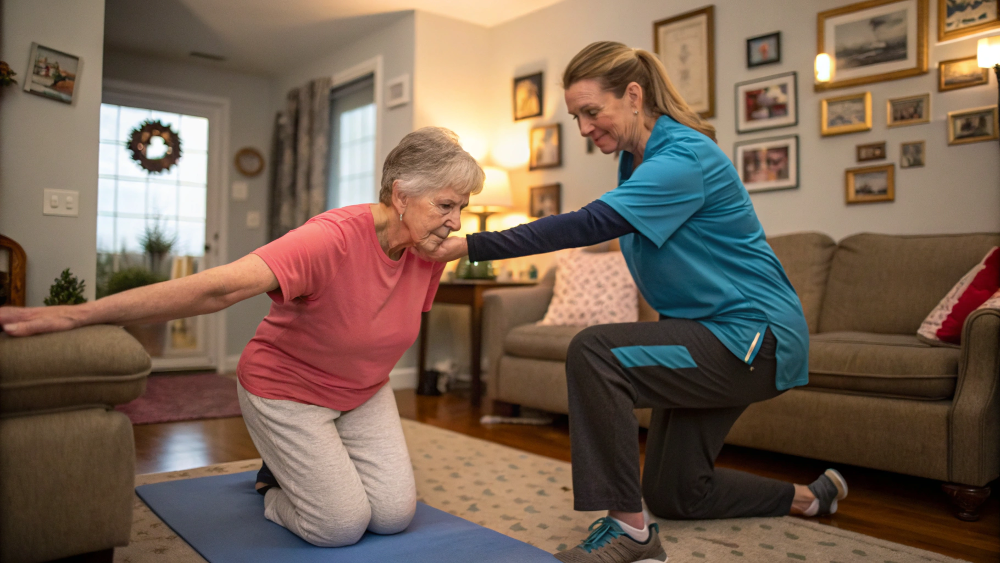
Home-based physiotherapy focuses on improving mobility, strength, and balance. Physiotherapists work with stroke survivors to develop exercise programs that can be safely performed at home, often involving family members in the process so that exercises can continue between visits. Modern physiotherapy approaches may include innovative techniques similar to those used in advanced facilities like the Phoenix Therapy Suite at Doncaster and Bassetlaw Teaching Hospitals, though adapted for home use. This might involve specialized equipment or technology-assisted rehabilitation tools that can be used in the home environment.
The focus extends beyond just physical exercises. Physiotherapists help stroke survivors relearn movement patterns, develop strategies for safe mobility around the home, and work on specific functional goals like climbing stairs or getting in and out of bed safely.
Occupational Therapy Support
Occupational therapy at home concentrates on helping stroke survivors regain independence in daily activities. This includes everything from personal care tasks like washing and dressing to more complex activities like cooking and managing household tasks. Occupational therapists assess the home environment and recommend modifications that can improve safety and independence. This might involve installing grab rails, recommending adaptive equipment, or reorganizing living spaces to make them more accessible.
The therapy also addresses cognitive aspects of daily living, helping survivors develop strategies for managing memory problems, organizing tasks, and maintaining safety awareness during daily activities.
Speech and Language Therapy
Communication difficulties are common after stroke, and speech and language therapy at home provides crucial support for recovery. Therapists work not just with the stroke survivor, but also with family members to develop effective communication strategies. This service addresses various aspects of communication, from speech production and language comprehension to swallowing difficulties that may affect eating and drinking safely. Family members learn techniques to support communication and create an environment that encourages interaction.
Nursing Care and Medical Support
Nursing care for stroke patients at home provides essential medical support during the recovery period. This includes medication management, monitoring for complications, wound care if needed, and coordination with medical professionals. Skilled nurses can identify early signs of problems and know when medical intervention is required. They also provide education to family members about warning signs to watch for and when to seek emergency care.
Specialized Rehabilitation Programs
Some organizations offer specialized stroke rehabilitation programs designed specifically for home delivery. The ARNI Institute, for example, provides home-based training with qualified instructors who understand the specific needs of stroke survivors. These programs often combine physical rehabilitation with psychological support, recognizing that recovery involves both physical and emotional healing. They may include group elements, connecting stroke survivors with others who understand their journey.
The Crucial Role of Family Support
Family members often become the backbone of stroke recovery, providing not just practical assistance but emotional support that can significantly impact outcomes. However, stepping into a caregiving role requires preparation, support, and recognition that this journey affects the entire family system.
Understanding the Caregiver Role
Caregiver support for stroke patients begins with understanding what this role entails. Family caregivers often find themselves managing medical appointments, coordinating services, providing physical assistance, and offering emotional support—all while processing their own emotions about their loved one’s stroke. The role is both rewarding and challenging. Many caregivers report finding meaning and closeness in supporting their loved one’s recovery, but they also face stress, fatigue, and sometimes grief for the relationship they had before stroke. Recognizing these mixed emotions as normal is important for caregiver wellbeing.
Practical Support Strategies
Effective family support involves learning practical skills for daily care. This includes understanding safe transfer techniques, medication management, and recognizing signs of medical complications. Many families benefit from training provided by healthcare professionals before hospital discharge. Creating routines and structure can help both the stroke survivor and family members manage daily life more effectively. This might involve establishing regular times for exercises, meals, and rest, while maintaining flexibility for the unpredictable aspects of recovery.
Emotional Support and Communication
Family members play a crucial role in maintaining the stroke survivor’s emotional wellbeing. This involves celebrating small victories, providing encouragement during difficult times, and helping maintain connections with friends and community. Effective communication becomes especially important when stroke affects language abilities. Family members learn to be patient, use simple language when needed, and find alternative ways to communicate when words aren’t enough. Sometimes a touch, a smile, or simply being present speaks louder than words.
Maintaining Family Relationships
Stroke affects the entire family system, not just the survivor. Children may struggle to understand changes in their parent or grandparent, while spouses navigate changes in their relationship dynamic. Open communication about these changes helps families adapt together. It’s important to maintain some normalcy in family life while accommodating new needs. This might mean adapting family traditions rather than abandoning them, or finding new ways to spend quality time together that work within current limitations.
Caregiver Self-Care
Supporting a stroke survivor is a marathon, not a sprint. Family caregivers must prioritize their own physical and emotional health to provide sustainable support. This includes maintaining their own medical care, staying connected with friends, and taking breaks when possible. Many caregivers feel guilty about taking time for themselves, but self-care isn’t selfish—it’s essential. A well-rested, emotionally healthy caregiver is better able to provide quality support and make good decisions about their loved one’s care.
Effective Communication Strategies for Caregivers

Communication challenges after stroke can be one of the most frustrating aspects of recovery for both survivors and their families. Developing effective communication strategies requires patience, creativity, and understanding of how stroke affects language and comprehension.
Understanding Communication Changes
Stroke can affect communication in various ways. Some survivors have difficulty finding words (aphasia), while others may understand perfectly but struggle to speak clearly (dysarthria). Some experience problems with reading or writing, while others have difficulty processing complex information. Understanding the specific type of communication difficulty helps families develop appropriate strategies. A speech and language therapist can provide detailed assessment and guidance, but families also learn through daily interaction what works best for their loved one.
Creating a Communication-Friendly Environment
The environment plays a crucial role in successful communication. This means reducing background noise, ensuring good lighting, and minimizing distractions during conversations. Face-to-face communication works better than calling from another room, and maintaining eye contact helps with understanding. Timing matters too. Many stroke survivors communicate better when they’re well-rested and not rushed. Choosing the right time for important conversations can make a significant difference in success.
Practical Communication Techniques
Effective communication often involves adapting how we speak and listen. This might mean speaking more slowly, using simpler sentences, or giving the person more time to process and respond. It’s important to speak to the person, not about them, even when communication is difficult. Visual aids can be incredibly helpful. This might involve using pictures, gestures, or written words to supplement speech. Some families create communication boards with common words or phrases, while others use technology apps designed for communication support.
Supporting Expression and Understanding
When someone struggles to find words, resist the urge to finish their sentences unless they ask for help. Give them time to work through their thoughts, and show that you’re listening patiently. If you don’t understand, it’s okay to ask them to try again or to use a different approach. For comprehension difficulties, check understanding by asking the person to repeat back important information in their own words. Break complex information into smaller pieces, and use concrete rather than abstract language when possible.
Managing Frustration and Emotions
Communication difficulties can be incredibly frustrating for everyone involved. Acknowledge these feelings rather than pretending they don’t exist. It’s okay to take breaks when communication becomes too difficult, and it’s important to celebrate successful interactions, no matter how small. Remember that communication is about more than words. Tone of voice, facial expressions, and body language all convey meaning. Sometimes a hug or a gentle touch communicates more effectively than any words could.
Emotional and Psychological Support for Recovery
The emotional and psychological aspects of stroke recovery are just as important as the physical rehabilitation, yet they’re often overlooked or addressed inadequately. Understanding and supporting the emotional journey of recovery can significantly impact overall outcomes and quality of life.
Recognizing Common Emotional Responses
Depression and anxiety are common after stroke, affecting approximately one-third of survivors. These aren’t signs of weakness or character flaws—they’re normal responses to a life-changing event. Symptoms might include persistent sadness, loss of interest in activities, excessive worry about the future, or difficulty sleeping. Grief is another common response that’s often misunderstood. Stroke survivors may grieve for their former abilities, their previous lifestyle, or their sense of identity. This grief process is normal and necessary, but it requires support and understanding from family members and healthcare providers.
Creating Emotional Safety
Recovery happens best in an environment where the stroke survivor feels emotionally safe to express their feelings, make mistakes, and take risks in their rehabilitation. This means accepting difficult emotions rather than trying to “fix” them or encourage the person to “stay positive” all the time. Validation is crucial. Acknowledging that recovery is hard, that frustration is understandable, and that progress takes time helps create an atmosphere where healing can occur. Sometimes the most helpful thing a family member can do is simply listen without trying to solve problems.
Professional Psychological Support
While family support is crucial, professional psychological support often plays an important role in recovery. This might involve counseling specifically designed for stroke survivors, support groups, or psychiatric care if depression or anxiety becomes severe. Many stroke survivors benefit from working with professionals who understand the unique challenges of neurological recovery. These specialists can provide strategies for managing difficult emotions, adapting to changes, and finding meaning in the recovery journey.
Building Resilience and Hope
Recovery is rarely linear, and building resilience helps stroke survivors navigate the inevitable ups and downs. This involves developing coping strategies, maintaining connections with others, and finding sources of meaning and purpose despite changed circumstances. Hope is a crucial element in recovery, but it needs to be realistic hope based on individual circumstances rather than false optimism. This might mean hoping for continued improvement while also accepting current limitations, or finding new sources of satisfaction and accomplishment.
Family Emotional Support
Family members also need emotional support during this journey. The stress of caregiving, worry about the future, and grief for changes in their loved one can take a significant toll. Many families benefit from counseling or support groups specifically designed for stroke families. Organizations like Different Strokes provide peer support through Facebook groups and virtual meetings, connecting families with others who understand their experience. This peer support can be incredibly valuable in reducing isolation and providing practical advice from those who’ve walked a similar path.
Finding Professional Home Care Services
Navigating the landscape of professional home care services can feel overwhelming, especially when you’re already dealing with the stress of stroke recovery. Understanding what’s available, how to access services, and what to look for in quality providers helps families make informed decisions about care.
Understanding Available Services
Professional home care services range from basic assistance with daily activities to specialized medical care. Visiting homecare provides scheduled support for specific tasks like personal care, meal preparation, or medication management. This option works well for stroke survivors who need some assistance but can manage independently between visits.
Live-in care offers 24/7 support for those who need more intensive assistance. This option allows stroke survivors to remain in their own homes while having continuous access to help when needed. The cost of in-home care for stroke patients varies significantly based on the level of care required and the specific services provided.
Assessment and Care Planning
Most professional services begin with a thorough assessment to determine care needs and develop an appropriate care plan. This assessment should consider not just physical needs, but also personal preferences, family dynamics, and individual goals for recovery. The assessment process typically involves meeting with the stroke survivor and family members to understand their specific situation. Quality providers will take time to understand what matters most to the family and how services can best support their goals.
Funding and Financial Considerations
Understanding funding options is crucial when considering professional home care. Some stroke survivors may be eligible for NHS continuing healthcare funding, while others might qualify for local authority support through social services assessments. Private funding is another option, and many families find that the cost of in-home care for stroke patients compares favorably to residential care options when quality of life factors are considered. Some insurance policies may also provide coverage for certain types of home care services.
Choosing Quality Providers
When selecting home care providers, look for organizations that specialize in stroke care or have specific experience with neurological conditions. Providers such as Haringey Home Care can assist by ensuring their staff are trained in stroke-specific needs, including communication strategies, safe mobility techniques, and recognition of potential complications. Quality providers will be willing to work collaboratively with existing healthcare teams, including physiotherapists, occupational therapists, and medical professionals. They should also be flexible enough to adapt their services as recovery progresses and needs change.
Questions to Ask Potential Providers
Before choosing a home care service, ask about staff training and experience with stroke survivors. Inquire about how they handle emergencies, their approach to family involvement, and their policies for maintaining continuity of care with the same caregivers when possible. Ask about their experience with stroke recovery tips at home and how they support ongoing rehabilitation goals. Quality providers should be able to explain how their services complement rather than replace professional therapy services.