



Cancer affects people of all ages, but when it strikes older adults, the challenges become uniquely complex. Senior Cancer Care requires a specialized approach that goes far beyond standard treatment protocols. The reality is that elderly patients face a dual burden—managing their cancer while navigating age-related health concerns that can complicate their journey.
Research reveals that approximately 43.8% of elderly cancer patients experience psychological distress, with worry, depression, and pain being the most commonly reported issues. This statistic alone underscores why comprehensive care must address both the emotional and physical dimensions of the cancer experience.
Understanding the Psychological Landscape
The Emotional Toll on Older Adults
When cancer enters the life of a senior, it doesn’t just affect their body—it reshapes their entire emotional world. The psychological challenges are often more intense for older patients because they’re simultaneously dealing with other life transitions like retirement, loss of independence, or the death of peers.
Depression affects up to 50% of cancer patients, and several risk factors are particularly relevant for elderly patients. Loss of a spouse, functional disability, inadequate emotional support, and uncontrolled pain all contribute to this heightened vulnerability. The impact on self-concept and body image can be profound, especially when treatment causes physical changes or affects intimate relationships.
Recognizing the Signs
Geriatric Cancer Care professionals emphasize the importance of recognizing when psychological support is needed. Symptoms often present as a complex constellation that includes anxiety, fatigue (affecting over 50% of patients), pain, delirium, and cognitive changes. These symptoms can be subtle and may be mistakenly attributed to “normal aging” rather than recognized as treatable aspects of the cancer experience.
Physical Care Considerations
The Multidisciplinary Approach
Effective Older Patients Cancer Care relies on a comprehensive team approach. Leading cancer centers like Memorial Sloan Kettering emphasize the importance of involving oncologists, geriatricians, nurses, social workers, nutritionists, and rehabilitation specialists in the care plan. This collaborative model ensures that all aspects of a patient’s health are addressed simultaneously.
Pain management becomes particularly complex in older adults due to the presence of comorbidities and the increased risk of drug interactions. The approach must be individualized, considering the patient’s overall health status, treatment goals, and existing medications.
Nutritional Challenges and Solutions
One of the most overlooked aspects of Cancer Care for Seniors is nutrition. The statistics are sobering: malnutrition affects 30-85% of cancer patients, leading to increased treatment toxicities, diminished quality of life, and higher mortality rates.
The challenge is compounded by what researchers call the “dual burden”—while 25-85% of cancer patients experience malnutrition, approximately 55% may also be classified as obese. This paradox requires careful nutritional assessment and intervention strategies that address both undernutrition and metabolic complications.
Practical nutritional support includes working with registered dietitians to develop meal plans that account for treatment side effects, medication interactions, and changing taste preferences. Small, frequent meals rich in protein and calories often work better than traditional three-meal patterns.
The Critical Role of Palliative Care
Beyond End-of-Life Care
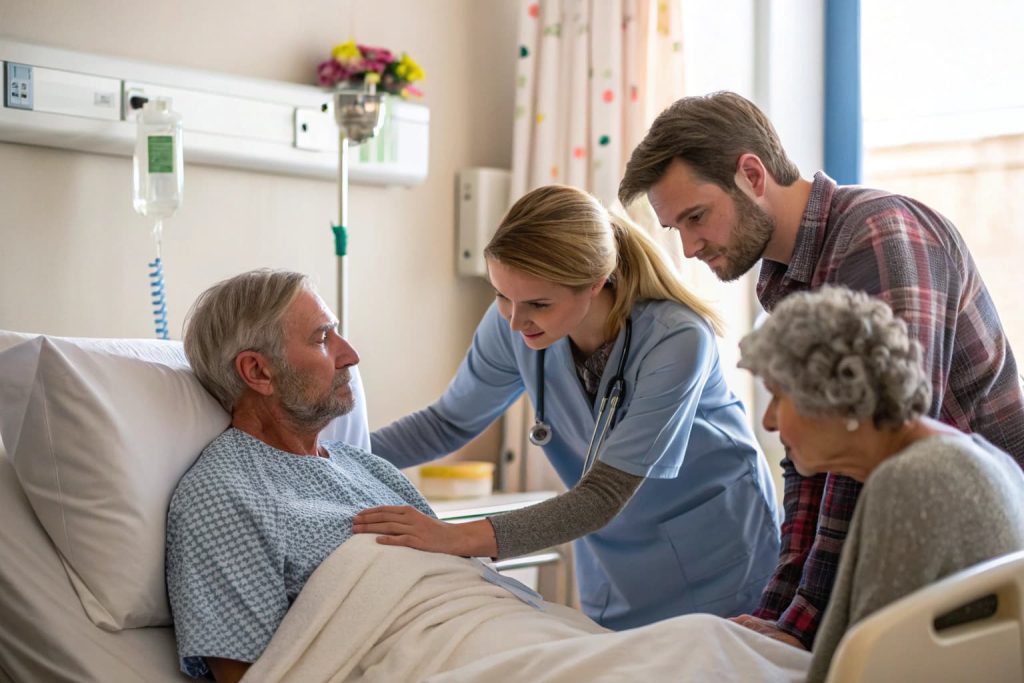
There’s a common misconception that palliative care is only for patients who are dying. In reality, palliative care offers numerous advantages for elderly cancer patients at any stage of their journey. The benefits include improved quality of life, better symptom management, reduced hospitalization rates, and potential survival benefits.
Cancer Support for Older Adults through palliative care includes comprehensive geriatric evaluations, comorbidity assessment, cognitive function testing, and functionality assessment. This holistic approach can be provided alongside curative treatments, offering symptom management, emotional support, family support, and care coordination.
Integration with Treatment
Modern Older Adults Cancer Care recognizes that palliative care isn’t an either-or decision. It’s an additional layer of support that enhances the overall treatment experience. Patients who receive early palliative care often report better pain control, improved mood, and greater satisfaction with their care.
Building Strong Support Systems
Family and Caregiver Support
The journey through cancer isn’t traveled alone, and the support system extends far beyond the patient. Family members and caregivers need their own resources and support networks. The National Cancer Institute emphasizes comprehensive support for caregivers including support groups, educational resources, self-care guidance, and strategies for long-distance caregiving.
Caregivers often experience their own emotional challenges, including anxiety about their loved one’s prognosis, financial stress, and physical exhaustion from providing care. Addressing these needs isn’t just compassionate—it’s essential for maintaining a strong support system for the patient.
Professional Support Services
Organizations like CancerCare provide specialized support through professional-led support groups, 24/7 accessible online forums, educational workshops, and dedicated publications. These resources are specifically designed to address the unique needs of older cancer patients and their families.
The American Cancer Society offers a 24/7 cancer helpline, online communities, resource guides, and insurance navigation assistance. These services recognize that cancer care involves more than medical treatment—it requires navigation of complex healthcare systems, insurance issues, and practical daily challenges.
Effective Coping Strategies
Practical Approaches
Successful coping strategies for seniors with cancer often involve a combination of professional support and personal resilience-building activities. Maintaining social connections becomes crucial, even when energy levels are low. This might mean shorter visits with friends, participating in support groups, or staying connected through technology.
Physical activity, adapted to individual capabilities, plays an important role in maintaining both physical and emotional well-being. This doesn’t mean intensive exercise—gentle walking, chair exercises, or physical therapy can provide significant benefits.
Communication Strategies
Open communication with healthcare providers is essential, but it can be challenging for older patients who may come from generations that didn’t question medical authority. Encouraging patients to prepare questions before appointments, bring a family member or friend for support, and ask for written summaries of important information can improve the quality of care.
Moving Forward with Confidence
The landscape of Senior Cancer Care continues to evolve, with increasing recognition that older adults have unique needs that require specialized approaches. The key is understanding that comprehensive care addresses the whole person—not just the cancer.
For families navigating this journey, remember that seeking help isn’t a sign of weakness—it’s a strategic approach to managing a complex situation. Whether it’s connecting with support groups, working with palliative care specialists, or simply having honest conversations about fears and concerns, every step toward comprehensive care makes a difference.
The path through cancer treatment as a senior may be challenging, but with the right support systems, medical care, and emotional resources, it’s possible to maintain quality of life and find meaning even in difficult circumstances. The goal isn’t just to treat the cancer—it’s to support the person living with cancer in maintaining their dignity, comfort, and connections to what matters most in their life.