



The home care sector in the United Kingdom represents one of the most rewarding and rapidly growing career paths available today. With an aging population and increasing preference for care at home rather than residential facilities, the demand for qualified home caregivers has reached unprecedented levels. Learning how to become a home caregiver UK professional opens doors to a meaningful career that combines job security with the deep satisfaction of making a real difference in people’s lives.
The process of how to become a home caregiver UK involves several essential steps, from obtaining mandatory certifications to developing the personal qualities that make exceptional caregivers. This career path offers flexibility, competitive compensation, and opportunities for professional growth that many other sectors simply cannot match. Whether you’re considering a complete career change or looking to formalize existing caregiving experience, understanding the requirements and opportunities in this field is your first step toward success.
What makes home caregiving particularly appealing is its accessibility—you don’t need a university degree or years of prior healthcare experience to begin. The care certificate UK provides the foundation for entry into this profession, and from there, numerous pathways exist for specialization and advancement. The combination of structured training programs, supportive employers, and genuine career progression makes this an attractive option for people from all backgrounds.
Understanding the Home Caregiver Role in the UK
Home caregivers in the UK provide essential support services that enable people to maintain their independence and quality of life in their own homes. This role encompasses far more than basic assistance—it involves becoming a trusted partner in someone’s daily life, providing both practical support and emotional companionship during what can be challenging times.
The scope of home caregiving includes personal care tasks such as assistance with washing, dressing, and mobility, alongside practical support like meal preparation, medication reminders, and light housekeeping. However, the most valuable aspect of the role often involves the relationships you build with clients and their families. You become someone they can rely on, trust, and often confide in during vulnerable moments.
Professional home caregivers work within a regulated framework overseen by the Care Quality Commission (CQC), which ensures that all care providers meet strict standards for safety, effectiveness, and compassion. This regulation provides both protection for clients and professional credibility for caregivers, making it a respected healthcare profession rather than simply a helping role.
The variety within home caregiving means that no two days are exactly alike. You might work with elderly clients who need support with daily activities, adults with learning disabilities who require assistance with community integration, or people recovering from illness or surgery who need temporary support. This diversity keeps the work interesting and allows you to develop a broad range of skills and experience.
Modern home caregiving also involves working as part of a broader healthcare team, collaborating with nurses, social workers, occupational therapists, and family members to ensure that each client receives coordinated, person-centered care. This collaborative approach means you’re not working in isolation but as part of a professional network focused on achieving the best possible outcomes for the people you support.
Understanding the Care Certificate UK Requirements
The care certificate UK serves as the foundation for all careers in social care, including home caregiving. This mandatory qualification was introduced in 2015 to replace previous training standards and ensure that all new care workers receive consistent, high-quality preparation for their roles. Completing your care certificate UK is not optional—it’s a legal requirement that must be fulfilled within 12 weeks of starting work in the care sector.
The care certificate UK comprises 16 essential standards that cover everything from understanding your role and responsibilities to safeguarding, communication, and health and safety. These standards aren’t just theoretical knowledge—they provide practical skills and understanding that you’ll use every day in your caregiving practice. The program typically takes between 12-16 weeks to complete, combining online learning with practical assessments and workplace observation.
What makes the care certificate UK particularly valuable is its focus on person-centered care principles. You’ll learn how to respect individual choices, promote independence, and adapt your approach to meet each person’s unique needs and preferences. This foundation ensures that all UK caregivers share a common understanding of professional standards and ethical practice. The standards were updated in March 2025 to align with sector developments, including a new standard on learning disabilities and autism awareness.
The assessment process for the care certificate UK involves demonstrating competency in each of the 16 standards through a combination of written work, practical demonstrations, and workplace observation. Your employer or training provider will assign an assessor who will work with you throughout the process, providing guidance and feedback to ensure you meet the required standards.
Many caregiver training programs UK incorporate the care certificate UK into broader qualification frameworks, allowing you to work toward Level 2 or Level 3 diplomas while completing your mandatory certification. This integrated approach can accelerate your career development and provide additional credentials that enhance your employment prospects and earning potential.
Caregiver Training Programs UK: Your Educational Options
The landscape of caregiver training programs UK offers multiple pathways to suit different learning styles, schedules, and career goals. From intensive classroom-based courses to flexible online programs, you can find training options that fit your circumstances while providing the knowledge and skills needed for success in home caregiving.
Traditional classroom-based caregiver training programs UK provide structured learning environments where you can interact directly with instructors and fellow students. These programs typically run for several weeks and include hands-on practice sessions where you can develop practical skills in a supportive setting. Many students find the social aspect of classroom learning helpful for building confidence and networking with others entering the profession.
Online caregiver training programs UK have become increasingly popular due to their flexibility and accessibility. These programs allow you to study at your own pace while managing other commitments, making them particularly suitable for career changers or parents who need flexible scheduling. However, remember that practical skills assessment and workplace observation remain essential components that cannot be completed entirely online.
Apprenticeship programs represent another excellent pathway into home caregiving, combining paid work experience with structured learning. These programs typically last 12-18 months and result in both the care certificate UK and additional qualifications such as Level 2 or Level 3 diplomas in health and social care. Apprenticeships provide the advantage of earning while you learn and often lead to permanent employment with the training provider.
Specialized caregiver training programs UK focus on specific aspects of care, such as dementia support, learning disabilities, or mental health. While these aren’t typically entry-level programs, they provide valuable opportunities for career development and specialization once you’ve gained basic qualifications and experience. These specialized programs often command higher salaries and provide more interesting, varied work opportunities.
Home Caregiver Qualifications UK: Beyond the Basics
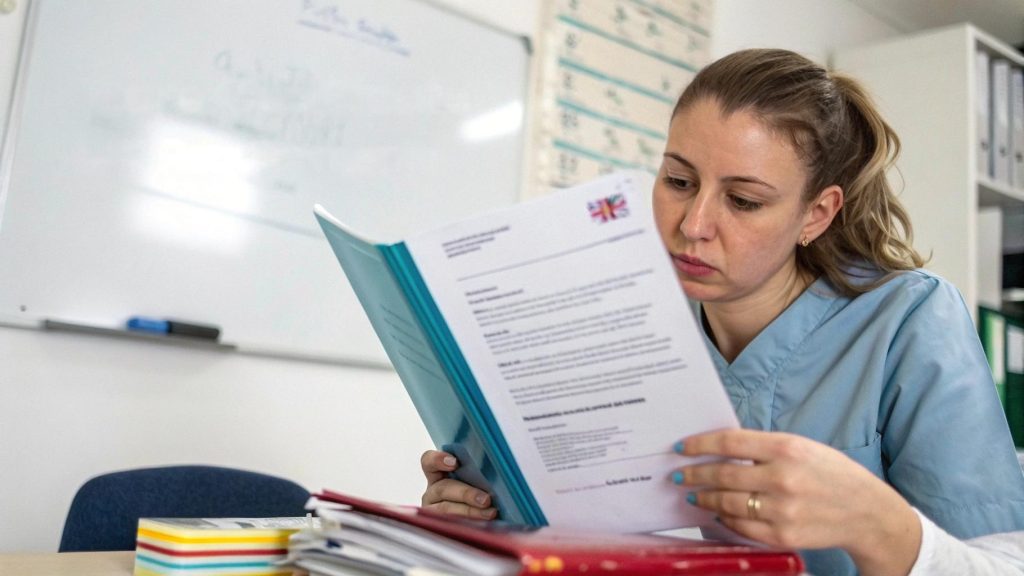
While the care certificate UK provides the foundation for home caregiving, additional home caregiver qualifications UK can significantly enhance your career prospects and earning potential. Level 2 and Level 3 qualifications in health and social care provide deeper knowledge and demonstrate your commitment to professional development.
Level 2 qualifications typically focus on fundamental care principles, communication skills, and basic health and safety knowledge. These qualifications are often integrated with the care certificate UK and can usually be completed within 6-12 months. Level 2 qualifications make you more attractive to employers and often result in higher starting salaries and better job opportunities.
Level 3 qualifications represent a significant step up in terms of complexity and responsibility. These programs cover advanced care techniques, leadership skills, and specialized knowledge areas such as medication management or complex health conditions. Level 3 qualifications often serve as stepping stones to supervisory or management roles within care organizations.
Specialized home caregiver qualifications UK in areas such as dementia care, autism support, or palliative care provide opportunities to develop expertise in high-demand areas. These qualifications not only increase your earning potential but also make your work more varied and intellectually stimulating. Specialized caregivers often develop long-term relationships with clients and families, providing continuity of care that benefits everyone involved.
Professional development doesn’t stop once you’ve completed initial qualifications. The healthcare sector evolves continuously, with new research, techniques, and regulations emerging regularly. Successful caregivers commit to ongoing learning through workshops, conferences, and additional training courses. This commitment to lifelong learning not only improves the care you provide but also demonstrates professionalism that employers value highly.
Home Care Jobs UK: Market Opportunities and Trends
The market for home care jobs UK has experienced remarkable growth over the past decade, driven by demographic changes, policy shifts toward community-based care, and increasing recognition of the benefits of enabling people to remain in their own homes. This growth trajectory shows no signs of slowing, creating excellent opportunities for both new entrants and experienced professionals.
Current statistics show that the social care sector employs approximately 1.6 million people across England, with home care representing the fastest-growing segment. The demand for home care jobs UK is particularly strong in areas with aging populations, but opportunities exist throughout the country as awareness of home care benefits continues to expand. The sector is projected to need around 470,000 new posts by 2040 to meet demand.
Geographic variations in home care jobs UK reflect both population demographics and local economic conditions. London and the Southeast typically offer the highest salaries but also have higher living costs. Northern regions and rural areas may offer lower salaries but provide better work-life balance and lower living expenses. Many caregivers find that the flexibility of home care work allows them to find opportunities that match their lifestyle preferences.
The structure of home care jobs UK varies significantly, from part-time positions offering just a few hours per week to full-time roles with comprehensive benefits packages. Many caregivers start with part-time work to gain experience and build confidence before transitioning to full-time positions. This flexibility makes home caregiving an excellent option for people with other commitments or those testing whether the profession suits them.
Employment models in home care jobs UK include direct employment by care agencies, self-employment as independent caregivers, and employment by local authorities or NHS trusts. Each model offers different advantages in terms of job security, administrative support, and earning potential. Many caregivers try different employment models throughout their careers to find the arrangement that best suits their needs and preferences.
Home Caregiver Salary UK: Compensation and Benefits
Understanding home caregiver salary UK expectations helps you make informed decisions about training investments and career planning. Starting salaries typically range from £21,000 to £25,000 annually for full-time positions, with experienced caregivers earning £28,000 or more. These figures reflect standard working patterns of 35-40 hours per week, though many caregivers appreciate the flexibility to adjust their schedules based on personal needs.
The home caregiver salary UK varies significantly based on several factors. Geographic location plays a major role, with London and surrounding areas typically offering salaries 15-25% higher than the national average to offset higher living costs. Experience level, additional qualifications, and specializations such as dementia care or complex medical needs support can add £2,000-£5,000 to annual earnings.
Employment model significantly impacts home caregiver salary UK potential. Agency employees typically receive steady wages with benefits such as holiday pay, pension contributions, and training opportunities. Self-employed caregivers may earn higher hourly rates but must manage their own taxes, insurance, and business expenses. Live-in care positions often offer the highest total compensation, sometimes reaching £30,000-£40,000 annually, but require significant lifestyle adjustments.
Benefits packages for home care jobs UK often include more than just salary. Many employers provide pension contributions, health insurance, paid training time, mileage reimbursement, and performance bonuses. When evaluating job offers, consider the total compensation package rather than focusing solely on hourly rates or annual salaries.
Career progression significantly impacts long-term home caregiver salary UK potential. Senior caregivers and team leaders typically earn £24,000-£30,000, while care coordinators and deputy managers can expect £28,000-£38,000. Registered managers and service managers often earn £35,000-£50,000 or more, depending on the size and complexity of their operations.
Essential Skills and Personal Qualities for Success
Success in home caregiving requires a unique combination of technical skills, personal qualities, and professional competencies. While training programs teach the technical aspects of care delivery, the personal qualities that make exceptional caregivers often come from within, though they can be developed and strengthened through experience and reflection.
Empathy stands at the heart of effective caregiving—the ability to genuinely understand and share the feelings of your clients, seeing situations from their perspective and responding with appropriate emotional support. This goes beyond sympathy to involve connecting with people in ways that help them feel understood, valued, and respected despite their vulnerabilities or challenges.
Communication skills encompass both verbal and non-verbal communication, including the ability to explain care procedures clearly, listen actively to client concerns, and communicate effectively with family members and healthcare professionals. Strong communication also includes documentation skills, as accurate record-keeping is both a professional requirement and a crucial component of safe care delivery.
Patience and resilience help caregivers navigate the emotional and physical demands of the role. Care recipients may be frustrated by their limitations, confused due to cognitive impairment, or resistant to receiving help. Your ability to remain calm, patient, and supportive in these situations directly impacts the quality of care you provide and the relationships you build.
Reliability and punctuality might seem basic, but they’re fundamental to building trust with clients and their families. When someone depends on you for essential care, your consistency becomes a cornerstone of their security and wellbeing. This reliability extends to following care plans accurately, maintaining professional boundaries, and being dependable in both routine situations and emergencies.
Problem-solving capabilities help you adapt to changing situations and find creative solutions to care challenges. Every client is unique, and what works for one person may not work for another. Successful caregivers develop the ability to assess situations quickly, consider multiple approaches, and implement solutions that respect client preferences while maintaining safety and care quality.
Finding Home Care Jobs UK: Effective Search Strategies
Finding quality home care jobs UK requires a strategic approach that showcases your qualifications, demonstrates your commitment to the profession, and highlights the personal qualities that make you an excellent caregiver. Start by ensuring your care certificate UK and any additional qualifications are current and properly documented, as these credentials form the foundation of your professional credibility.
Networking within the healthcare community can open doors to opportunities that may not be advertised publicly. Attend local healthcare events, join professional associations, and connect with other caregivers and healthcare professionals in your area. Many home care jobs UK are filled through referrals and word-of-mouth recommendations, making professional relationships valuable assets in your job search.
Your application materials should emphasize both your technical qualifications and your personal qualities. Include specific examples of how you’ve demonstrated empathy, reliability, and problem-solving skills in previous roles, even if they weren’t in healthcare. Volunteer experience, family caregiving, or other helping roles can provide relevant examples that demonstrate your suitability for professional caregiving.
Online job platforms have become increasingly important for finding home care jobs UK, with specialized healthcare job sites often providing better opportunities than general employment websites. Create detailed profiles that highlight your qualifications, experience, and availability, and set up alerts for positions that match your criteria. Many care agencies actively recruit through these platforms and appreciate candidates who present themselves professionally online.
Direct contact with care agencies and providers can be highly effective, particularly in areas with high demand for caregivers. Research local agencies, visit their websites to understand their services and values, and contact them directly to inquire about opportunities. This proactive approach demonstrates initiative and genuine interest in working with specific organizations.
Career Progression and Professional Development
The home caregiving profession offers numerous pathways for career advancement, from specialized clinical roles to management and business ownership opportunities. Understanding these progression routes helps you make strategic decisions about additional training and experience that align with your long-term career goals.
Senior caregiver roles typically represent the first step up from basic caregiving positions, involving additional responsibilities such as mentoring new staff, conducting assessments, or coordinating care for multiple clients. These positions require demonstrated competency in basic caregiving plus leadership skills and advanced knowledge in specific areas of care.
Care coordination roles involve managing care plans for multiple clients, liaising with healthcare professionals and family members, and ensuring that care services are delivered effectively and efficiently. These positions typically require Level 3 qualifications plus several years of hands-on caregiving experience, and they offer salaries in the £28,000-£35,000 range.
Management positions within care agencies or local authority services provide opportunities to influence service quality and development while earning salaries of £35,000-£50,000 or more. These roles require business skills alongside care expertise and often involve responsibility for budgets, staff management, and regulatory compliance.
Specialization opportunities exist in areas such as dementia care, learning disabilities, mental health support, and palliative care. These specializations often provide more intellectually stimulating work, higher compensation, and greater job security due to the specialized skills required. Many specialists also find opportunities for training delivery, consultancy work, or research participation.
Entrepreneurial caregivers may choose to establish their own care agencies or work as independent contractors. This path requires business skills and professional insurance but can provide greater autonomy and potentially higher earnings. Many successful care business owners started as hands-on caregivers and used their experience to build services that reflect their values and approach to care.
Regulatory Requirements and Professional Standards
Working as a home caregiver in the UK means operating within a regulated environment overseen by the Care Quality Commission (CQC), which sets and monitors standards for all care providers. Understanding these regulatory requirements is essential for professional practice and career development.
The CQC’s fundamental standards apply to all care providers and cover areas such as person-centered care, dignity and respect, consent, safety, safeguarding, nutrition, premises and equipment, complaints handling, and good governance. These standards aren’t just bureaucratic requirements—they provide a framework for delivering high-quality care that protects both clients and caregivers. The regulations were extended beyond March 2025 to allow for a full review.
Registration requirements vary depending on your employment model. Caregivers employed by registered agencies work under their employer’s CQC registration, while independent caregivers providing personal care must register directly with the CQC. This registration process involves demonstrating that you meet fitness requirements, have appropriate qualifications, and can provide safe, effective care.
Ongoing compliance involves maintaining accurate records, participating in regular supervision and training, and contributing to quality monitoring activities. These requirements might seem burdensome initially, but they provide important protections and help maintain the professional standards that make caregiving a respected healthcare profession.
Professional development requirements include completing mandatory training updates, participating in supervision sessions, and maintaining current qualifications. Many employers provide support for ongoing development, recognizing that well-trained, confident caregivers provide better care and are more likely to remain in their positions long-term.
Technology and Modern Caregiving
The integration of technology into home caregiving has transformed how care is planned, delivered, and monitored. Modern caregivers need to be comfortable using various technological tools, from electronic care planning systems to monitoring devices and communication platforms.
Electronic care planning systems allow caregivers to access detailed information about each client’s needs, preferences, and care history. These systems also enable real-time communication with other members of the care team and provide platforms for documenting care activities and any changes in client condition or needs.
Monitoring technology, including medication dispensers, fall detection systems, and health monitoring devices, helps caregivers provide safer, more effective care while enabling clients to maintain greater independence. Understanding how to use and troubleshoot these devices has become an important skill for modern caregivers.
Communication technology facilitates coordination between caregivers, families, and healthcare professionals. Video calling, messaging platforms, and shared documentation systems help ensure that everyone involved in a client’s care stays informed and can contribute to care planning and delivery.
The trend toward technology integration in caregiving is likely to accelerate, making technological literacy increasingly important for career success. Caregivers who embrace these tools and develop expertise in their use often find themselves in high demand and well-positioned for career advancement.
Building Client Relationships and Professional Boundaries
The relationship between caregiver and client forms the foundation of effective home care, but managing these relationships professionally requires skill, sensitivity, and clear understanding of appropriate boundaries. Successful caregivers learn to build warm, supportive relationships while maintaining the professional distance necessary for effective care delivery.
Building trust begins with consistency, reliability, and genuine respect for each client as an individual. This means arriving on time, following through on commitments, and taking time to understand each person’s preferences, concerns, and goals. Trust develops gradually through small interactions and consistent behavior over time.
Professional boundaries help protect both caregivers and clients while ensuring that relationships remain focused on care goals rather than personal friendship. These boundaries include maintaining confidentiality, avoiding personal relationships outside of work, and ensuring that care decisions are based on professional judgment rather than personal feelings.
Communication skills become particularly important when clients or family members want to extend relationships beyond professional boundaries. Learning to redirect these situations kindly but firmly while maintaining positive working relationships requires practice and confidence in your professional role.
Cultural sensitivity plays an increasingly important role in home caregiving as the UK’s population becomes more diverse. Understanding different cultural approaches to care, family involvement, and personal privacy helps caregivers provide respectful, effective support to clients from all backgrounds.
Conclusion: Your Path Forward in Home Caregiving
The journey of how to become a home caregiver UK professional offers the opportunity to build a meaningful career that makes a genuine difference in people’s lives while providing job security, competitive compensation, and opportunities for professional growth. This career path requires dedication, proper training, and genuine compassion, but the rewards—both personal and professional—make it an excellent choice for the right individuals.
Your next steps begin with completing the care certificate UK and gaining the foundational knowledge and skills required for safe, effective caregiving. From there, you can pursue specializations, advance to leadership roles, or even develop your own caregiving services. The flexibility and growth potential in this field mean that your career can evolve as your interests and circumstances change.
The demand for qualified home caregivers continues to grow, creating excellent opportunities for both new entrants and experienced professionals. Whether you’re looking for a complete career change or seeking to formalize caregiving experience you’ve gained through personal circumstances, this field offers pathways to success and fulfillment.
Take the first step by researching care certificate UK training programs in your area and beginning the qualification process. Connect with local care agencies to learn about opportunities and support available to new caregivers. Most importantly, reflect honestly on whether you have the personal qualities and commitment required to excel in this demanding but rewarding profession.
The people you’ll care for are counting on professionals like you to help them maintain their independence, dignity, and quality of life. If you’re ready to make that commitment, a rewarding career in home caregiving awaits you.