


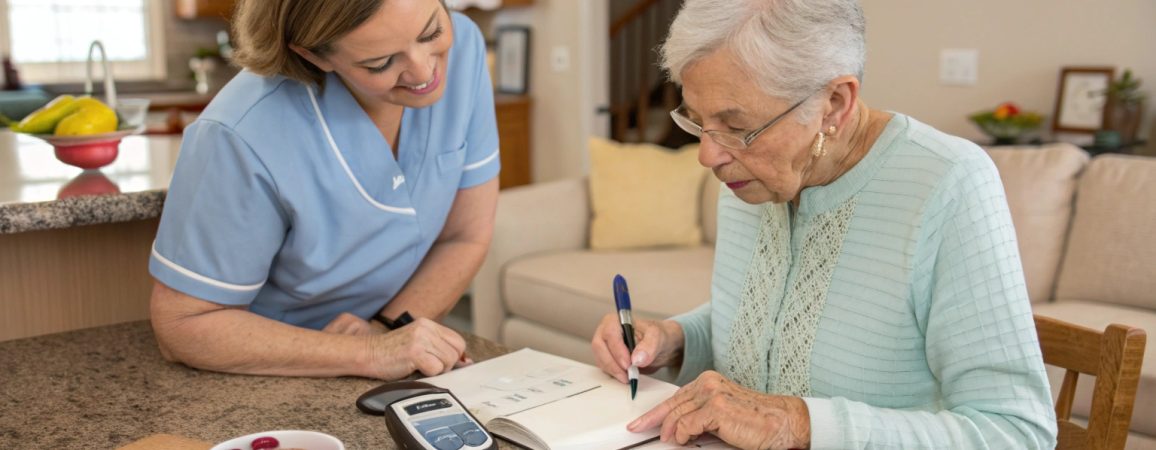
Managing diabetes becomes increasingly complex as we age, yet the right support system can make all the difference. With over 25% of individuals aged 65 and older in the United States affected by diabetes, the need for specialized care has never been more critical. Effective diabetes management for seniors requires a coordinated approach that addresses the unique challenges of aging, from multiple medications to changing dietary needs.
The traditional model of periodic doctor visits often falls short when it comes to the daily realities of living with diabetes. Seniors face unique obstacles—cognitive changes, physical limitations, and the complexity of managing multiple health conditions simultaneously. This is where professional diabetes home health care services provide the specialized support seniors need to maintain their health while preserving their independence and dignity.
Understanding Diabetes Home Health Care Services
Professional diabetes home health care services provide the specialized support seniors need to maintain their health. These services go far beyond basic medical care, encompassing a holistic approach that addresses every aspect of daily diabetes management. The average home care patient with diabetes is 79.8 years old, with 72.3% being female, highlighting the specific demographic that benefits most from these services.
Home care professionals bring medical expertise directly to the patient’s environment, creating a seamless integration of healthcare into daily life. This approach has shown remarkable results—patients receiving home care demonstrate better glycemic control, with those using oral medications achieving an average HbA1c of 7.73±1.45, compared to higher levels in less structured care settings.
The beauty of this model lies in its adaptability. Each care plan is tailored to the individual’s specific needs, health status, and living situation. Whether a senior requires minimal assistance with medication reminders or comprehensive support with all aspects of diabetes management, home care services can be scaled accordingly.
Essential Components of Elderly Diabetes Care
Quality elderly diabetes care focuses on preventing complications while maintaining independence. The foundation of effective care rests on four critical pillars: blood glucose monitoring, medication management, nutritional support, and physical activity coordination.
Blood glucose monitoring forms the cornerstone of daily management. Caregivers establish personalized monitoring schedules based on each patient’s medication regimen and physician recommendations. This isn’t simply about taking readings—it’s about understanding patterns, recognizing trends, and knowing when to alert healthcare providers about concerning changes.
Medication management represents another critical component, particularly given that 65% of diabetic seniors use oral antidiabetic drugs while 58% require insulin therapy. The complexity increases when considering that many seniors manage multiple medications for various conditions. Home caregivers maintain detailed medication schedules, monitor for side effects, and ensure proper administration techniques.
How Home Care for Diabetes Transforms Daily Life
Personalized home care for diabetes ensures that each senior receives individualized attention and support. The transformation begins with the simple yet profound shift from reactive to proactive care. Instead of waiting for problems to arise, home care creates a protective framework around the patient’s daily routine.
The daily routine becomes structured yet flexible. Caregivers work within the patient’s preferences while ensuring medical needs are met. This might mean adjusting meal times to accommodate medication schedules or finding creative ways to encourage physical activity that aligns with the patient’s interests and abilities.
Technology integration has also enhanced the effectiveness of home care. Remote monitoring systems allow for real-time tracking of blood glucose levels, with data shared instantly with healthcare providers. This connectivity has shown positive impacts on clinical outcomes, with improved HbA1c levels and enhanced medication adherence across patient populations.
Key Strategies for Diabetes Management in Elderly Patients
Successful diabetes management in elderly populations requires understanding age-related health changes. The strategies that work for younger adults often need modification to account for slower metabolism, decreased kidney function, and increased sensitivity to medications.
Nutritional management takes on particular importance in elderly diabetes care. Caregivers don’t simply prepare meals—they create nutritional strategies that account for changing taste preferences, dental issues, and medication interactions. The goal is maintaining stable blood glucose levels while ensuring adequate nutrition and hydration.
Physical activity coordination requires careful balance. While exercise remains crucial for glucose control, it must be adapted to individual mobility levels and safety considerations. Home caregivers often become creative exercise partners, finding ways to incorporate movement into daily activities rather than formal exercise routines.
Best Practices in Diabetes Management for Elderly Adults
Evidence-based diabetes management for elderly patients emphasizes safety and quality of life. The most successful approaches recognize that perfect glucose control isn’t always the primary goal—preventing dangerous highs and lows while maintaining functional independence often takes precedence.
Communication forms a vital component of effective care. Caregivers serve as bridges between patients, families, and healthcare providers. They document daily observations, track symptoms, and provide valuable insights that inform treatment decisions. This three-way communication ensures that care plans remain current and effective.
Emergency preparedness represents another crucial element. Home caregivers are trained to recognize signs of diabetic emergencies and respond appropriately. They maintain emergency contact information, understand when to call 911 versus when to contact the primary physician, and can provide crucial information to emergency responders if needed.
Comprehensive Diabetes Care for Seniors at Home
Comprehensive diabetes care for seniors includes medical management, nutritional support, and lifestyle modifications. The research shows that this integrated approach yields significant benefits. Patients receiving structured home care demonstrate reduced hospitalization rates and better overall health outcomes compared to those managing diabetes independently.
The emotional and psychological benefits cannot be overlooked. Diabetes management can feel overwhelming, particularly for seniors dealing with multiple health issues. Having a knowledgeable, caring professional provide daily support reduces anxiety and increases confidence in self-management abilities.
Family involvement remains crucial to success. Effective home care programs educate family members about diabetes management, emergency procedures, and how to support their loved one’s care plan. This education extends the care team beyond the professional caregiver, creating a comprehensive support network.
Real-World Impact and Outcomes
The statistics tell a compelling story about the effectiveness of home care for diabetes management. Research indicates that diabetic patients receiving home care show a 6% higher risk of short-term nursing home stays but an overall 8% lower risk of long-term institutional care. This suggests that home care helps patients maintain independence longer while providing necessary support during acute episodes.
Caregiver experiences reveal three primary roles that emerge in successful diabetes management: direct care support, memory support and care organization, and advocacy and communication. These roles develop naturally as caregivers become familiar with each patient’s unique needs and preferences.
The financial benefits also merit consideration. Effective diabetes home management combines professional oversight with family involvement, often at a fraction of the cost of institutional care. When complications are prevented through consistent daily management, the long-term healthcare savings can be substantial.
Moving Forward with Confidence
The evidence is clear: professional home care transforms diabetes management for seniors from a daily struggle into a manageable routine. The combination of medical expertise, personalized attention, and familiar environment creates optimal conditions for successful diabetes management.
For families considering this option, the key lies in finding providers who understand the unique needs of elderly diabetes patients. Look for services that offer comprehensive care coordination, family education, and clear communication with healthcare providers.
The goal isn’t just managing diabetes—it’s enabling seniors to live full, independent lives while maintaining their health and dignity. With the right support system in place, diabetes doesn’t have to define or limit the golden years. Instead, it becomes simply one aspect of a well-managed, fulfilling life.
Quality diabetes care for seniors at home represents more than medical management—it’s about preserving independence, maintaining dignity, and ensuring that each day can be lived to its fullest potential. The investment in professional home care pays dividends not just in health outcomes, but in peace of mind for both patients and their families.