


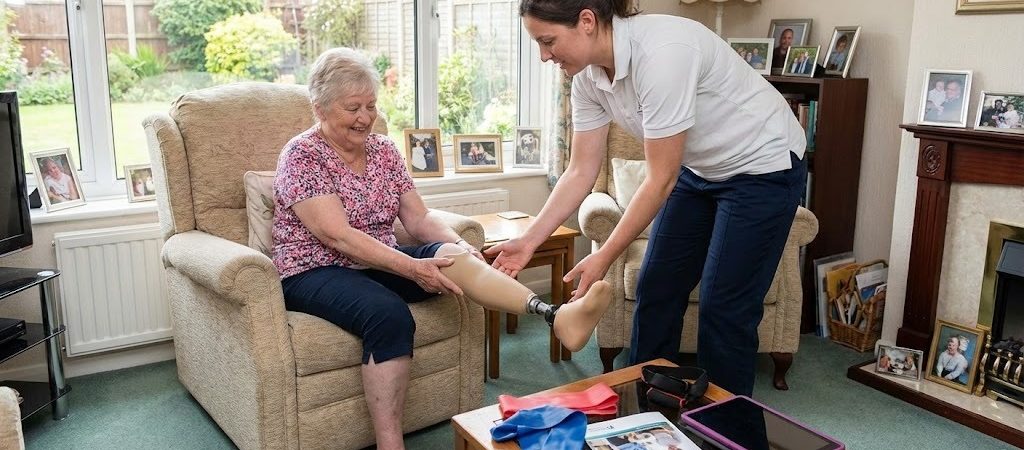
Amputation is a life-changing event with long-term physical, psychological, and social consequences. In the UK, approximately 5,700 major limb amputations are performed each year, the majority involving the lower limb and most commonly resulting from vascular disease and diabetes. While surgical intervention addresses the immediate medical need, long-term recovery and quality of life depend heavily on effective rehabilitation and ongoing support.
As health services increasingly prioritize recovery in community settings, home-based care has become a central component of post-amputation support. In areas such as Haringey, regulated home care services enable individuals to regain independence, reduce complications, and adapt safely to life after limb loss.
Understanding Life After Amputation
Causes of Amputation
Limb loss typically falls into two categories: acquired amputation and congenital limb deficiency. Common causes for acquired amputation include:
-
Vascular disease: Diabetes-related complications and peripheral arterial disease (PAD).
-
Trauma: Road traffic accidents, workplace injuries, or severe burns.
-
Infection: Severe cases leading to tissue necrosis.
-
Oncology: Cancer affecting bone or soft tissue.
Lower limb amputations account for the majority of cases in adults, particularly among older populations who may have complex comorbid health needs.
Recovery Phases
Recovery following amputation typically occurs in stages:
-
Immediate post-surgical recovery, focusing on wound healing and pain control
-
Pre-prosthetic phase, involving mobility training, strengthening, and residual limb care
-
Prosthetic rehabilitation, where appropriate, including gait training and functional adaptation
-
Long-term adjustment, addressing independence, psychological well-being, and daily living
The duration and complexity of each phase vary significantly depending on the individual’s health, age, and social circumstances.
Common Challenges
Individuals living after amputation may experience:
-
Reduced mobility and balance
-
Phantom limb pain or residual limb discomfort
-
Increased risk of falls
-
Skin integrity issues
-
Anxiety, depression, or loss of confidence
-
Dependence on family members for daily activities
These challenges often extend well beyond the hospital setting, making structured home-based support essential.
Benefits of Home-Based Care After Amputation
Home care provides a patient-centered alternative to prolonged inpatient stays or residential facilities, with evidence showing benefits for both individuals and health systems.
Key advantages include
-
Reduced risk of hospital readmission through early detection of complications
-
Faster functional recovery in a familiar, low-stress environment
-
Greater involvement of family members in care planning
-
Improved adherence to rehabilitation routines
-
Meaningful respite for informal carers
For many individuals, remaining at home supports dignity, autonomy, and emotional stability during recovery.
Symptoms, Needs, and Ongoing Support Requirements
Post-amputation needs are multifaceted and often evolve over time. Home-based support commonly addresses:
-
Wound and skin care, including monitoring for infection or pressure damage
-
Mobility support, such as safe transfers, balance assistance, and supervised exercises
-
Residual limb care, including daily inspection and hygiene
-
Pain management support, in line with prescribed treatment plans
-
Emotional and psychological support, particularly during adjustment periods
Family members frequently take on caregiving roles without formal training, increasing the risk of burnout. Professional home care helps reduce this burden while ensuring safe, consistent support.
Home Care Services Supporting Life After Amputation
Home-based care packages are tailored following individual assessment and may include:
Personal Care
-
Assistance with washing, dressing, and personal hygiene
-
Support with toileting and continence care
-
Help maintaining dignity and routine
Mobility and Physical Support
-
Assistance with transfers and safe movement
-
Support using mobility aids or prosthetics
-
Encouragement of prescribed exercises in line with physiotherapy guidance
Daily Living Support
-
Meal preparation aligned with nutritional needs
-
Medication assistance and reminders
-
Help with shopping, errands, and household tasks
Home Environment Adaptations
-
Support arranging grab rails, ramps, or stair aids
-
Guidance on safe home layouts to reduce fall risk
Respite and Referrals
-
Short-term respite care for family carers
-
Signposting to specialist organisations such as LimbPower and local limb centres
Quality and Safety in Home-Based Amputation Care
High-quality home care relies on:
-
CQC-regulated services meeting national safety and care standards
-
Personalised care plans reviewed as recovery progresses
-
Trained carers experienced in complex physical needs
-
Strong communication with GPs, therapists, and specialist teams
In Haringey, providers such as Haringey My Homecare deliver domiciliary care services that align with these principles, supporting individuals after amputation through personalised, locally informed care delivered in their own homes.
Local Guidance for Haringey Residents
Individuals and families in Haringey can take the following steps:
-
Request a care needs assessment through the local authority or healthcare professional
-
Explore potential NHS Continuing Healthcare or local authority funding, where eligible
-
Coordinate home care alongside hospital limb centres and community rehabilitation teams
-
Arrange early home support following discharge to reduce complications
Local knowledge and coordination are critical to ensuring smooth transitions from hospital to home.
Frequently Asked Questions
Is home care suitable immediately after hospital discharge?
Yes, home care facilitates a safe transition from hospital to home, provided clinical needs (such as surgical wound management) are coordinated with district nursing teams.
How long is home care needed after amputation?
Duration varies. Some individuals require short-term reablement support, while others with complex needs may benefit from long-term assistance.
Can care adapt as mobility improves?
Yes. Care plans are dynamic and should be regularly reviewed to promote independence as the individual becomes more confident with mobility aids or prosthetics.
How do I arrange support?
Individuals can request a care needs assessment through the local authority (Social Services) or arrange private care directly with a provider.
Arrange a Free Care Assessment
If you or a family member are living after amputation and require support at home in Haringey, a free, no-obligation care assessment can help identify appropriate options and next steps.
To discuss home-based support, contact Haringey My Homecare directly to arrange an assessment and receive personalized guidance on care planning and local services.