


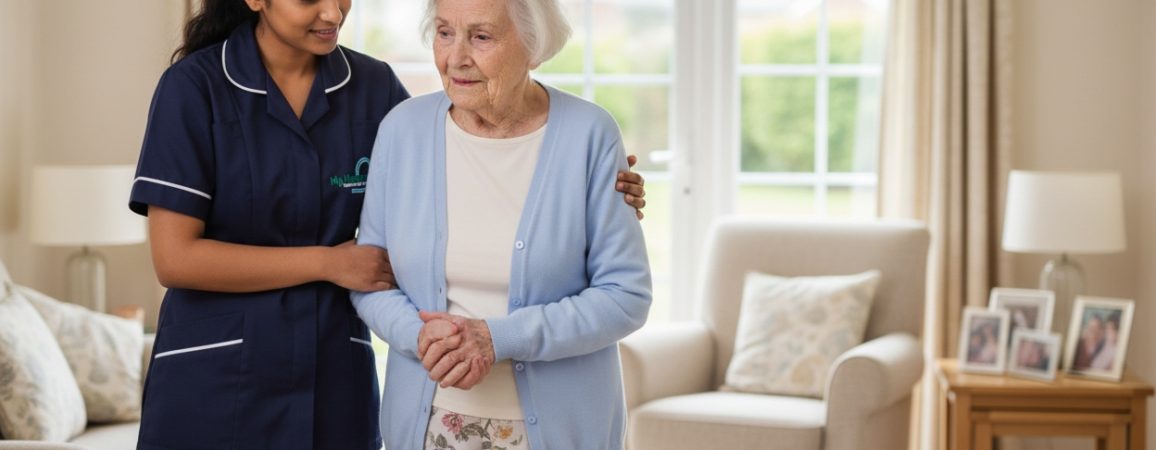
Dementia is a term for a group of conditions that affect memory, thinking and the ability to carry out everyday activities. Common early symptoms can include memory loss, difficulty concentrating, confusion about time or place, and mood changes.
In Haringey—as across the UK—many people living with dementia want to remain at home for as long as possible. Home caregivers (also called domiciliary care workers) can play a major role in making that possible by supporting day-to-day living, helping families cope, and working alongside NHS and local council services.
Why home-based dementia care matters
Dementia often develops gradually and can affect communication, judgement, routines, mobility and emotional wellbeing. As needs change, a person may require more help with everyday tasks—sometimes starting with a little support a few times a week and increasing over time.
National guidance in England emphasises coordinated, person-centred support and the importance of helping carers. NICE’s dementia guideline covers assessment, management and support for people living with dementia and their carers, including staff training and approaches that support carers to continue in their role.
Home caregivers can support this “whole-family” approach by keeping the person safe and well at home while reducing pressure on relatives.
What home caregivers actually do for people with dementia

Good dementia home care is rarely one single task. It’s usually a combination of practical help, emotional reassurance, and risk reduction, delivered in a way that respects the person’s dignity and routines.
Support with daily living and routines
Caregivers commonly help with activities of daily living such as:
-
washing, dressing and personal care
-
meals, hydration and basic nutrition support
-
household tasks (light cleaning, laundry, shopping support)
-
getting out safely and attending appointments or community activities
For dementia specifically, caregivers often focus on predictable routines and gentle prompts that help the person stay oriented and reduce stress—especially when confusion is worse at certain times of day.
Communication support and reassurance
As dementia progresses, following conversations and finding the right words can become harder. Caregivers can help by using calm, clear communication and by learning what works best for the individual (for example: visual prompts, short sentences, consistent phrasing).
The NHS notes that dementia can affect daily tasks and communication, and that symptoms may worsen gradually.
Safety support at home
A major benefit of home care is reducing avoidable risks—particularly falls, missed meals, medication mistakes, and leaving the home unsafely. Caregivers may help families set up practical safety measures, and then reinforce them day-to-day.
Supporting carers and family members
The NHS explicitly signposts support for people “looking after someone with dementia” and highlights national helplines and support organisations (including Alzheimer’s Society, Dementia UK and Carers UK).
Home caregivers can add to this by:
-
giving family members regular updates
-
spotting changes early (sleep, appetite, mood, mobility)
-
offering practical respite so relatives can rest, work, or attend appointments
Dementia care after diagnosis: what families should expect
After a dementia diagnosis, individuals should receive a care plan outlining the support they may need.
According to UK health guidance, this plan may involve input from:
-
GPs
-
memory clinics
-
community mental health teams
-
social care services
-
carers support organisations
In practice, home care can become part of that plan—either arranged privately, funded through a personal budget, or set up through council-commissioned care (depending on eligibility and financial assessment).
Dementia Services in Haringey
People living in Haringey can access several local services for dementia assessment and support.
Haringey Memory Service
The Haringey Memory Service provides specialist assessment and diagnosis for people experiencing memory problems. Patients are usually referred by their GP.
The service may involve a multidisciplinary team including doctors, nurses and dementia specialists who help assess symptoms and recommend treatment or support options.
Haynes Dementia Hub
Haringey Council highlights The Haynes Dementia Hub as a community resource offering day services and support groups for people living with dementia and their carers.
These services can provide social interaction, structured activities and advice for families navigating dementia care.
Haringey Adult Social Care
Residents may also contact Haringey Adult Social Care to request a needs assessment. This can determine what support may be available at home for both individuals with dementia and their carers.
Possible services include:
-
care at home
-
occupational therapy support
-
carer assessments
-
advice about community services
How to choose a home care provider in Haringey
Because dementia care is high-stakes, families should prioritise providers that are transparent, regulated, and able to explain how they manage safety, staff training, and continuity of care.
Use CQC to check regulation and ratings
In England, the Care Quality Commission (CQC) is the independent regulator of health and social care services, including home care agencies.
If a provider delivers regulated personal care services, it must be registered with the CQC and meet national quality and safety standards.
Checking a provider’s CQC rating and inspection report can help families understand how well a service performs and whether it meets regulatory requirements.
Home care support in Haringey
In Haringey, many families choose home care services to support loved ones living with dementia while allowing them to remain in familiar surroundings.
At My Homecare Haringey, we provide personalised home care designed to help people with dementia maintain independence and dignity in their own homes.
Our caregivers support individuals with everyday tasks such as:
-
personal care and hygiene
-
meal preparation and hydration
-
medication reminders
-
mobility assistance
-
companionship and emotional support
We recognise that dementia affects every person differently. For this reason, we focus on person-centred care, creating tailored care plans that reflect each individual’s routines, preferences and changing needs.
Our team works closely with families to ensure clear communication and continuity of care. By supporting both the person living with dementia and their relatives, we aim to reduce stress for carers while helping individuals stay safe, comfortable and connected to their community.
Home care services like ours can play an important role in helping people with dementia continue living at home for as long as possible while receiving consistent, compassionate support.
What “good dementia home care” looks like day-to-day
Families often ask how they can tell if care is working well. Some practical signs of effective dementia home care include:
-
Consistency: familiar carers and predictable visit times
-
Respect and dignity: the person is involved in decisions whenever possible
-
Clear communication: carers record important information and share updates with families
-
Risk awareness: carers understand wandering, falls and swallowing risks
-
Support for families: relatives know who to contact and feel supported
NICE guidelines highlight the importance of staff training, person-centred care and supporting carers as essential elements of high-quality dementia services.