Returning home from hospital can feel like a relief, but it can also bring worry for families. Your loved one may be medically ready to leave hospital, but still feel weaker than usual, less confident on their feet, or unsure about managing daily routines at home.
For older people in Haringey, the first few days and weeks after hospital discharge can be especially important. The right support can help reduce anxiety, rebuild independence and make recovery at home feel safer.
This is where reablement, Discharge to Assess and professional home care can all play a role. Understanding the difference between these types of support can help families make better decisions and avoid feeling overwhelmed at a stressful time.
What Happens When Someone Leaves Hospital?
Hospital discharge usually begins before the person actually leaves hospital. The hospital team should consider what support may be needed at home, whether the person has medication or equipment, how they will get home and whether family members or carers need to be involved.
Some people return home and recover well with only a little help from relatives. Others need short-term support, rehabilitation, equipment, home adaptations or ongoing care.
Common concerns after hospital discharge include:
- Weakness or tiredness
- Reduced mobility
- Fear of falling
- Difficulty washing or dressing
- Problems preparing meals
- Medication changes
- Confusion about the care plan
- Loss of confidence
- Anxiety about being alone
- Pressure on family carers
Even when someone is happy to return home, daily tasks may feel harder than before. This is why a safe and realistic care plan matters.
What Is Reablement?
Reablement is short-term support designed to help a person regain confidence and independence after illness, injury, a fall or a hospital stay.
Unlike long-term care, reablement is usually focused on helping the person practise daily activities again rather than doing everything for them permanently. The aim is to support recovery and help the person become as independent as possible.
Reablement may involve support with:
- Getting in and out of bed
- Washing and dressing
- Moving safely around the home
- Using stairs
- Preparing simple meals
- Building confidence with daily routines
- Using equipment safely
- Regaining strength and independence
In Haringey, reablement may involve therapists such as occupational therapists or physiotherapists, depending on the person’s needs and referral pathway.
Reablement can be very helpful after hospital discharge because many people need time to rebuild strength before long-term decisions are made.
What Is Discharge to Assess?
Discharge to Assess, often shortened to D2A, is a process where a person leaves hospital when it is safe and appropriate, then has their longer-term care needs assessed outside hospital.
This approach is often used because hospital is not always the best place to decide what someone will need in the long term. A person may seem more dependent while they are still recovering, tired or anxious in hospital. Once they are back home, they may regain confidence and independence with the right support.
Discharge to Assess can help families avoid rushed decisions during a crisis. Instead of deciding immediately whether someone needs long-term care, the person can return home with short-term support and be assessed once they have had time to recover.
This can be especially useful for families in Haringey who are unsure whether their loved one needs occasional visits, daily home care, overnight care, live-in care or another type of support.
Why the First Days at Home Matter
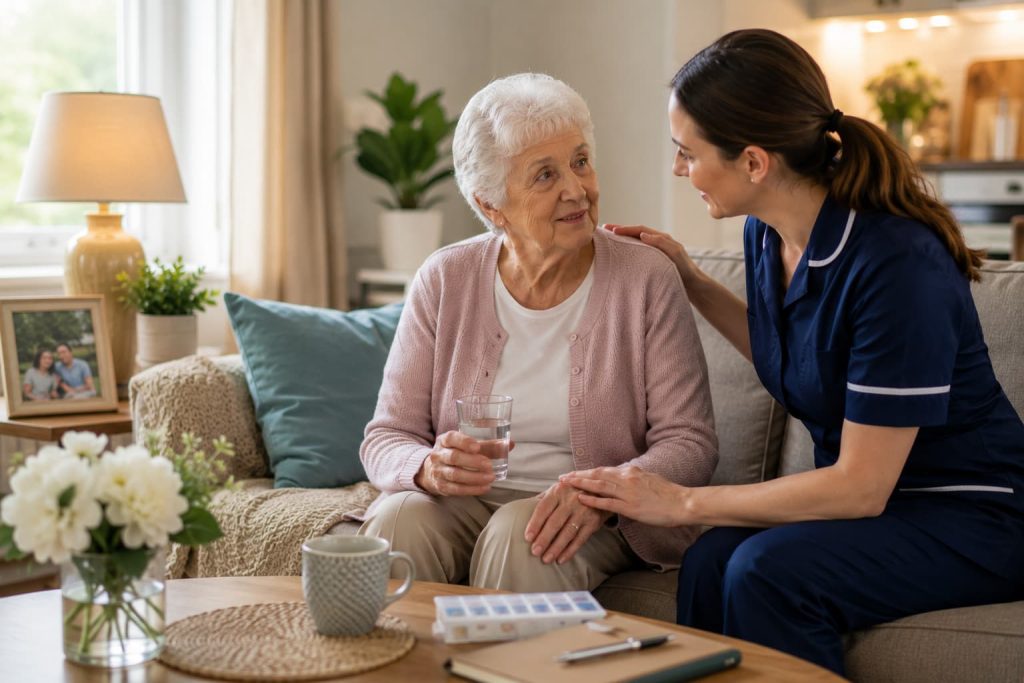
The first few days after hospital discharge can shape the whole recovery experience.
Your loved one may be dealing with new medication, reduced strength, changes in appetite, pain, tiredness or fear of moving around. They may also be trying to understand hospital letters, follow-up appointments and instructions from different professionals.
At the same time, family members may be trying to organise shopping, transport, meals, cleaning, medication reminders and safety checks.
This period can feel stressful because everyone wants the same thing: for the person to recover safely at home.
Extra support can help reduce pressure and make the transition from hospital to home smoother.
Signs Your Loved One May Need Extra Help After Hospital
Not everyone needs professional home care after leaving hospital. However, there are some signs that extra support may be useful.
Your loved one may need additional help if they:
- Are struggling to get out of bed or out of a chair
- Feel unsteady when walking
- Are afraid of falling
- Have difficulty washing or dressing
- Cannot prepare food safely
- Forget medication or feel confused by medication changes
- Are not drinking or eating enough
- Feel anxious about being alone
- Need help using the bathroom
- Wake frequently at night
- Are recovering from surgery, illness or a fall
- Have a family carer who is becoming exhausted
- Were already receiving care before admission
These signs do not always mean full-time care is needed. Sometimes a few well-timed visits each day can make a big difference.
How Home Care Can Support Recovery
Professional home care in Haringey can help bridge the gap between hospital discharge and full independence.
A trained carer can support daily routines while helping the person remain comfortable in familiar surroundings. This can be arranged temporarily after hospital discharge or as part of an ongoing care plan if needs continue.
Home care after hospital discharge may include:
- Morning support
- Washing and dressing
- Help getting out of bed
- Meal preparation
- Medication reminders
- Mobility support
- Toileting support
- Light domestic tasks
- Companionship
- Safety checks
- Evening support
- Overnight care if needed
The aim is not to take away independence. The aim is to make recovery at home safer, calmer and more manageable.
Support With Personal Care
After a hospital stay, personal care can become difficult. Your loved one may feel weaker, less balanced or less confident. They may need help washing, dressing, grooming or using the bathroom.
This can be sensitive for families. Some older people feel uncomfortable asking relatives for this type of help, especially with intimate care.
Professional personal care can provide respectful, discreet support while protecting dignity. A carer can help your loved one feel clean, comfortable and ready for the day without placing all responsibility on family members.
Medication Reminders After Hospital Discharge
Medication often changes after a hospital stay. There may be new tablets, different timings, discontinued medication or instructions that feel confusing.
This can be stressful, especially if your loved one already has memory difficulties or is taking several medications.
A home carer can support medication routines according to the agreed care plan. This may include reminders, prompts and helping the person stay organised.
Families can also explore My Homecare Haringey’s Assistance with Medication service for more structured support.
Meal Preparation and Hydration
Recovery can be slower if a person is not eating or drinking well. After hospital discharge, appetite may be reduced and cooking may feel tiring or unsafe.
A carer can help with meal provision, light food preparation, drinks, snacks and gentle encouragement around regular meals.
This is especially important if your loved one lives alone, feels weak, or cannot stand for long periods in the kitchen.
Good nutrition, hydration and routine can all support recovery and general wellbeing.
Mobility and Fall Prevention at Home
Many families worry about falls after hospital discharge. Your loved one may be less steady than before, especially when getting up from a chair, walking to the bathroom or using stairs.
Home care can help by supporting safer movement around the home and encouraging the person to use walking aids or equipment properly.
A carer can also notice practical risks such as:
- Loose rugs
- Poor lighting
- Cluttered walkways
- Unsafe footwear
- Difficulty reaching the bathroom
- Problems getting in and out of bed
- Struggling with stairs
Professional care does not replace clinical advice from therapists or hospital teams, but it can help make day-to-day routines safer.
When Family Carers Need Support Too
Hospital discharge can place sudden pressure on family members.
A son, daughter, partner or relative may feel they need to be available all the time. They may take time off work, stay overnight, organise medication, prepare meals and worry constantly about whether their loved one is safe.
This can quickly lead to exhaustion.
Family carers may need help if they are:
- Losing sleep
- Missing work
- Feeling anxious or overwhelmed
- Struggling to manage personal care tasks
- Worried about falls
- Unsure what support is available
- Feeling responsible for everything
- Unable to take proper breaks
Respite care can give family carers time to rest while ensuring their loved one still receives safe and reliable support.
When Visiting Care May Be Enough
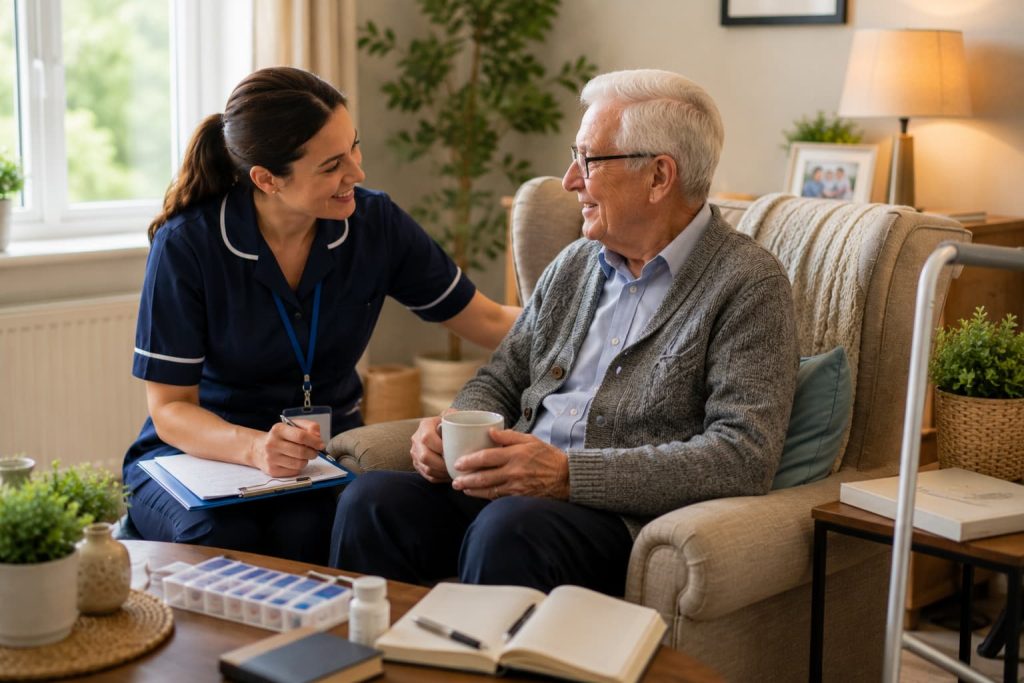
Some people only need temporary support after hospital discharge. A few daily or weekly visits may be enough while they regain strength.
Visiting care may be suitable if your loved one needs help with:
- Morning routines
- Washing and dressing
- Breakfast or lunch
- Medication reminders
- Light domestic tasks
- Companionship
- Safe movement around the home
- Evening routines
This can reduce the pressure on family members while helping the person continue recovering at home.
Visiting care can also be adjusted as needs change. Some families begin with more frequent visits and reduce them as their loved one becomes stronger.
When Overnight Care May Be Needed
Night-time can feel particularly difficult after a hospital stay. Your loved one may wake often, need help going to the bathroom, feel anxious in the dark or be at higher risk of falling.
For family carers, this can mean broken sleep and constant worry.
Overnight care may help if your loved one:
- Wakes frequently
- Needs help using the bathroom
- Feels confused or anxious at night
- Is at risk of falling
- Needs reassurance during the night
- Has recently returned home after illness or surgery
- Lives alone and feels unsafe overnight
Overnight support can give families peace of mind while helping the person remain safely at home.
When Live-In Care May Be More Suitable
If your loved one needs support throughout the day and night, live-in care may be more appropriate than short visits.
Live-in care provides more continuous support in the person’s own home. It can be helpful when recovery is slower, care needs are more complex, or family members are worried about leaving the person alone.
Live-in care may be considered if your loved one:
- Needs frequent support throughout the day
- Has limited mobility
- Is unsafe alone at home
- Needs help with most daily routines
- Feels very anxious when alone
- Has ongoing care needs after reablement ends
- Wants to remain at home instead of moving into residential care
For many families, live-in care offers a way to keep a loved one in familiar surroundings with consistent support.
What Happens When Reablement Ends?
Reablement is usually short-term. Some people recover well and no longer need support. Others improve but still need help with certain tasks. Some may need ongoing home care because their needs remain higher than before the hospital stay.
Toward the end of reablement or short-term support, families may need to think about the next step.
Questions to ask include:
- Can my loved one wash and dress safely?
- Can they prepare meals?
- Are they remembering medication?
- Are they safe moving around the home?
- Are they managing stairs?
- Are they eating and drinking enough?
- Are they confident being alone?
- Is the family carer coping?
- Are night-time needs still a concern?
- Is ongoing care needed?
If support is still needed, a professional home care plan can help your loved one continue living safely at home.
Private Home Care After Hospital Discharge
Some families arrange private home care after hospital discharge because they want extra reassurance, quicker practical support or continuity beyond short-term services.
Private home care can be arranged around the person’s actual routine. For example, support may be focused on mornings, mealtimes, medication reminders, evenings or nights.
This can be helpful if:
- Your loved one needs more support than expected
- You are waiting for assessments or decisions
- Short-term care is ending
- Family members cannot cover every visit
- You want extra peace of mind
- The person lives alone
- You want flexible support that can increase or reduce over time
My Homecare Haringey can help families create a care plan that fits around recovery, independence and personal preferences.
Practical Checklist Before Your Loved One Comes Home
Before discharge, families may want to check:
- Who is taking your loved one home?
- Is there suitable clothing for the journey?
- Are house keys available?
- Is the home warm and safe?
- Is there food in the house?
- Has medication been collected?
- Is the discharge letter available?
- Are follow-up appointments clear?
- Is equipment needed?
- Is the bathroom safe to access?
- Is someone checking in during the first few days?
- Is overnight support needed?
- Does the family carer understand the plan?
Having these details organised can make the return home less stressful.
How My Homecare Haringey Can Help
Returning home from hospital should feel safe, not overwhelming. My Homecare Haringey can support older people and families with flexible care at home after discharge.
Support may include:
- Domiciliary care
- Personal care
- Meal provision
- Medication support
- Respite care
- Overnight stays
- Live-in care
Whether your loved one needs short-term support while recovering or a longer-term care plan, professional care can help them remain comfortable and independent at home.
Speak to My Homecare Haringey
If your loved one is returning home from hospital in Haringey, it is important to plan support early. Even a small amount of help can make the first days at home safer and calmer.
My Homecare Haringey provides personalised home care for people recovering after hospital stays, illness, injury or a period of reduced independence.
You do not have to wait until your family is struggling. Support can begin with a simple conversation.
Contact My Homecare Haringey to discuss care after hospital discharge and find the right support for your loved one.